What Are the Top Bit Mining Machines in China?
Choosing a Bit Mining Machine is not just a question of peak speed. Buyers compare hashrate, energy efficiency, cooling design, noise, warranty terms, and total ownership cost. A machine rated at 200 terahashes per second may look compelling, but its power draw and local electricity price can change the economics. Small details matter. Dust on intake filters, for example, can raise operating temperatures and affect uptime. Chinese manufacturers such as Bitmain, MicroBT, and Canaan are widely known in the ASIC market, though model availability and specifications change quickly. Verify every figure against current manufacturer documentation.
Independent industry data adds useful context, but it does not rank machines by itself. The Cambridge Centre for Alternative Finance’s 2022 mining map estimated China’s share of global Bitcoin hashrate at 21.1% in January 2022. That is a historical estimate, not a measure of present-day activity or legal permission. Luxor’s Hashrate Index market reports also track network conditions, ASIC prices, and fleet efficiency—factors that can shift a model’s value. This guide compares leading machines using published specifications and practical operating considerations. It also distinguishes equipment origin from where it may lawfully be operated. Regulations differ by jurisdiction, and China’s restrictions on cryptocurrency mining make local compliance essential. Rankings are snapshots, not guarantees. Some comparisons remain imperfect because real-world performance depends on site conditions, electricity costs, maintenance, and verified machine data.
How Bitcoin Mining Machines Work and What Defines Their Performance
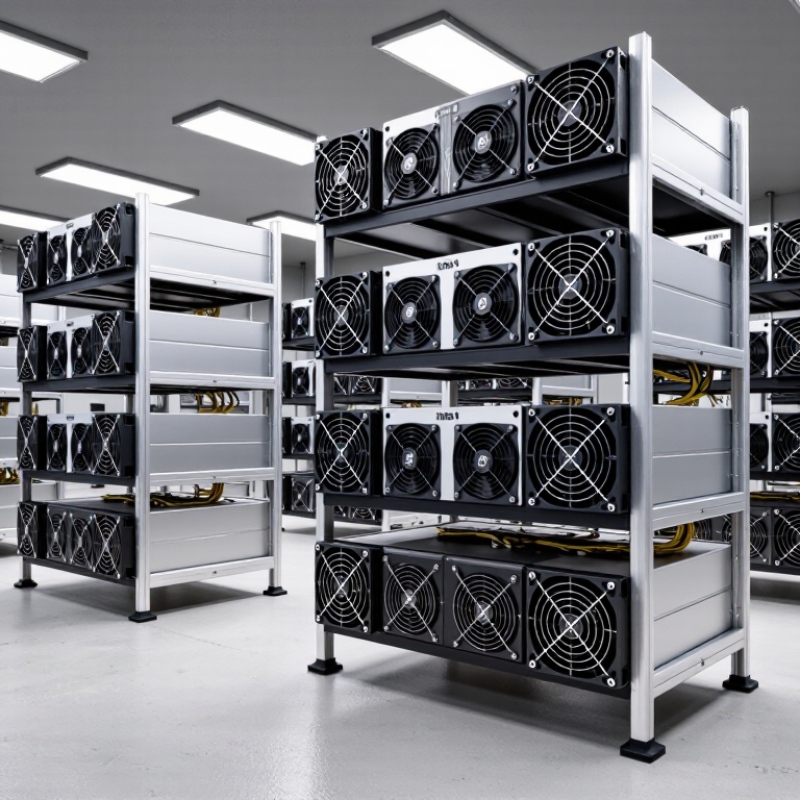
A Bitcoin mining machine is a specialized computer built to perform repeated hash calculations. It tests possible block headers, changing a small value called a nonce until a result meets the network’s difficulty target. The work is repetitive, not mysterious. Each machine contributes a measured hashrate, usually expressed in terahashes per second. A higher number means more calculations, but it does not tell the whole story.
Efficiency matters. Heat matters. Power use, measured in watts, determines much of a machine’s running cost. Efficiency is often compared in joules per terahash; a lower figure means less electricity for the same computing work. Cooling also affects real performance. Dust on intake filters, warm air trapped behind racks, or unstable power can reduce uptime. These details are easy to overlook in a specification sheet.
When comparing machines sold in China, check tested power draw and sustained hashrate under realistic operating conditions, not only peak figures. Noise and heat output matter in a small room, while ventilation can change results across seasons. Network difficulty also shifts, so estimated returns are not fixed. A spreadsheet can still mislead if it assumes perfect uptime or constant electricity prices. Specs are useful, but measurements taken over several days offer a clearer picture.
Leading Chinese Manufacturers and Their Flagship Miner Models
China’s leading mining-equipment makers compete through flagship ASIC miners built for Bitcoin’s SHA-256 algorithm.
Their top models generally emphasize three things: hashrate, power efficiency, and cooling. A higher hashrate can improve a machine’s contribution to a mining pool, but it also raises electricity demand and heat output. Check the current product sheet, not an old comparison chart; specifications change between model generations.
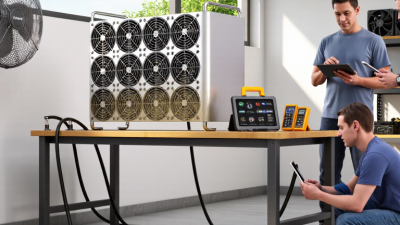
Some flagship units use air cooling, with fans pushing warm air through dense metal heat sinks. Others use liquid-cooling systems that need compatible pumps, plumbing, and maintenance. Measure the room before choosing. A powerful miner can sound like a shop vacuum and release substantial heat into a small space.
Heat matters. So does noise.
For a fair comparison, calculate energy use per terahash and estimate operating costs using your actual electricity rate. Confirm that the stated figures include realistic operating conditions, since lab measurements may not reflect a dusty, warm facility. Warranty terms, repair access, and spare-part availability also affect long-term value. I would not rank a model by hashrate alone. That shortcut is tempting, but incomplete. A careful buyer should verify documentation and support directly, then consider whether the machine fits the site’s power, ventilation, and noise limits.
Comparing Hash Rate, Energy Efficiency, and Operating Costs
China’s strongest mining machines are usually judged by hash rate, power draw, and the cost of keeping them running. A high hash rate can look impressive, but it means little if electricity costs erase the margin. Air-cooled units are simpler to install in many facilities. Hydro-cooled models can support dense setups, but require compatible cooling equipment and careful maintenance. Numbers need context.
Compare energy efficiency in joules per terahash; a lower figure generally means less electricity for the same computing work. Then estimate daily power costs using the machine’s rated draw and your actual electricity tariff. Add cooling, ventilation, repairs, and downtime. Published performance figures may come from controlled conditions, so real results can differ. I would not rank a machine on one specification alone; even a small tariff change can alter the calculation.
Tips: Check measured wall-power readings, not just brochure figures. Ask for operating data from a similar climate and facility. Keep a repair allowance in your estimate. A spreadsheet helps, though its forecasts are never certain.
What Are the Top Bit Mining Machines in China? - Comparing Hash Rate, Energy Efficiency, and Operating Costs
Representative SHA-256 ASIC configurations; manufacturer and product names are intentionally omitted.
| Performance Tier |
Hash Rate |
Power Draw |
Energy Efficiency |
Energy per Day |
Estimated Daily Electricity Cost |
Estimated 30-Day Electricity Cost |
| High-performance tier |
140 TH/s |
3,010 W |
21.5 J/TH |
72.24 kWh |
$5.78 |
$173.38 |
| Next-generation tier |
200 TH/s |
3,500 W |
17.5 J/TH |
84.00 kWh |
$6.72 |
$201.60 |
| Advanced high-efficiency tier |
234 TH/s |
3,510 W |
15.0 J/TH |
84.24 kWh |
$6.74 |
$202.18 |
| Top-efficiency tier |
270 TH/s |
3,645 W |
13.5 J/TH |
87.48 kWh |
$7.00 |
$209.95 |
Cost estimates assume continuous operation for 24 hours per day and a flat electricity rate of $0.08 per kWh. They cover miner electricity only and exclude cooling, facility overhead, demand charges, taxes, and maintenance. Specifications are representative; actual results can vary with configuration, firmware, and operating conditions.
Power, Cooling, and Infrastructure Needs for Mining Equipment
When comparing top Bitcoin mining machines available in China, headline hashrate is only part of the decision. High-density units can draw several kilowatts each, so a room’s electrical capacity matters as much as the machine itself. Check the nameplate load, voltage, circuit rating, and cable temperature during sustained operation. Have a qualified electrician verify the design. Small details matter.
Cooling needs are equally concrete. A miner releases nearly all its electrical input as heat, and warm exhaust can return to the intake if racks are poorly arranged. Move cool air toward machine inlets and route exhaust away through ducts or a separated aisle. Heat has no patience. Filters help control dust, but clogged filters restrict airflow and strain fans. Measure inlet temperatures at several rack positions, not just beside the door.
Infrastructure planning should also cover ventilation capacity, network stability, safe cable routing, fire detection, and maintenance access. Leave room to inspect fans and power connections without shifting hot machines. Noise and vibration deserve attention in shared buildings. Actual performance varies with ambient temperature, settings, and site conditions. A tidy spreadsheet is useful, but it can still miss a hot corner or loose connection. Track power draw and temperatures after installation, then adjust airflow gradually.
How to Choose a Bitcoin Miner for Different Mining Operations
Choosing a Bitcoin miner starts with the operation, not the highest advertised hash rate. A home or pilot setup may prioritize manageable power draw, heat, and noise. Small details matter. Check energy efficiency in joules per terahash, then compare power demand with the site’s verified electrical capacity. A machine that exceeds the circuit limit is not a bargain.
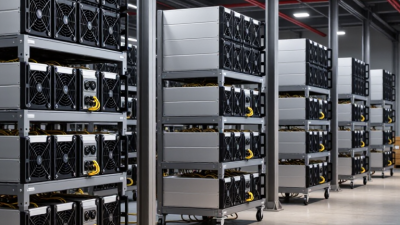
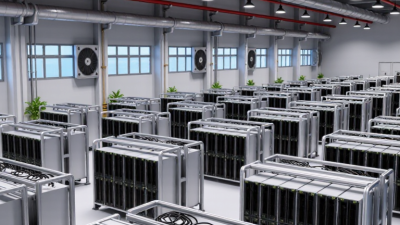
For a warehouse-scale operation, estimate the total load across every miner, plus cooling and ventilation. Air-cooled equipment needs clear intake and exhaust paths; trapped hot air can reduce stability. Immersion cooling can support dense layouts, but it adds tanks, fluid handling, and maintenance skills. Measure before buying. Ask suppliers for operating ranges, warranty terms, spare-part access, and service response times, then verify details in writing.
Build your cost estimate around realistic electricity rates, expected uptime, pool fees, and network difficulty. Model a low-revenue case, not just an optimistic one. Compare delivered cost per terahash, installation work, and expected replacement intervals. Experience helps, but site conditions vary; even a well-reviewed machine may underperform in dust or with unstable power. Leave capacity for repairs and seasonal heat. That buffer may look inefficient on paper, yet a fully loaded operation can be fragile.
What Are the Top Bit Mining Machines in China? How to Choose a Bitcoin Miner for Different Mining Operations
Bitcoin’s block subsidy has fallen at each halving. This historical context matters when comparing mining operations: as subsidy revenue declines, electricity cost, miner efficiency, cooling, and uptime become increasingly important. The chart shows the subsidy per block, not total miner revenue or profitability.