How to Choose the Best Bit Mining Machine?
Choosing the best Bit Mining Machine requires more than comparing advertised terahashes. A modern ASIC may look powerful on a product page, yet its electricity draw can quietly decide profitability. The International Energy Agency estimated that cryptocurrency mining consumed about 110 terawatt-hours globally in 2022, close to 0.4% of worldwide electricity demand. That figure makes efficiency, cooling, and energy sourcing practical concerns, not technical decoration.
Luxor Technology’s Ethan Vera has described mining as “a capital-intensive business where efficiency matters.” That principle should guide every purchase. Compare joules per terahash, expected uptime, warranty coverage, pool fees, noise levels, and local power prices. A machine operating in a cool warehouse may perform differently from one placed beside a dusty workshop wall. Heat becomes visible quickly. So does poor ventilation.
Recent Cambridge Digital Mining Industry reports also emphasize regional energy differences and changing mining economics. Therefore, buyers should test several electricity-price scenarios before ordering equipment. Calculate break-even conditions, not only optimistic returns. A spreadsheet can still lie. Network difficulty changes. Bitcoin prices move sharply. Delivery delays can reduce a machine’s useful earning period.
The strongest Bit Mining Machine is not always the newest model. It is the model that fits your power capacity, cooling system, maintenance skills, and compliance requirements. Regulatory rules, taxation, noise limits, and grid restrictions must be checked locally. Some assumptions will remain uncertain. That is acceptable, if they are clearly stated and reviewed before capital is committed.
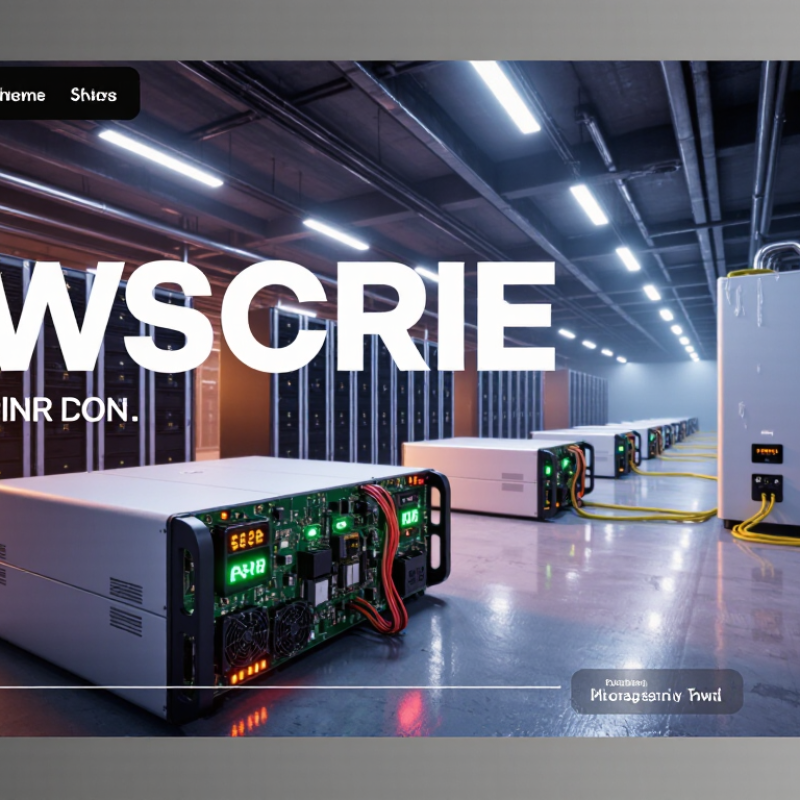
Understanding How Bitcoin Mining Machines Work
A Bitcoin mining machine is a specialized computer that repeatedly calculates SHA-256 hashes. It changes a number called a nonce until the result meets the network’s difficulty target. The first valid result allows a miner to propose a block and receive a reward. The process is repetitive. The machine does not “solve” a useful puzzle; it proves that substantial computing work was completed.
Efficiency matters more than headline speed. Hashrate is measured in terahashes per second, while efficiency is measured in joules per terahash. A higher hashrate can increase earning potential, but it also raises electricity demand and heat output. The Cambridge Centre for Alternative Finance estimated that Bitcoin mining used about 121 terawatt-hours of electricity in 2023. The International Energy Agency reported that global cryptocurrency mining consumed around 110 terawatt-hours in 2022. These figures show why power cost and energy sourcing deserve careful attention.
In practice, a buyer should examine sustained efficiency, cooling requirements, noise, uptime, and repair access. Real rooms are messier. Dust can reduce airflow, while unstable voltage can cause repeated shutdowns. I would not trust a laboratory efficiency figure alone. Temperature, pool fees, electricity rates, and network difficulty can change the result quickly. The Bitcoin Mining Council reported that sustainable electricity accounted for more than half of surveyed mining energy in recent assessments, but survey coverage is limited. That limitation matters. A sensible evaluation compares verified operating data with local conditions, not advertising claims.
Comparing Mining Hardware Specifications and Performance
How to Choose the Best Bit Mining Machine?
Comparing Mining Hardware Specifications and Performance
Choosing mining hardware starts with measurable performance, not attractive product images. Hash rate shows how many calculations a machine performs each second. However, hash rate alone can mislead buyers.
In practical testing, efficiency often matters more than peak speed. Check the energy rating in joules per terahash, or J/TH. A lower figure usually means less electricity used for similar output. Measure the machine’s actual power draw with a reliable meter. Factory figures may reflect ideal laboratory conditions.
Thermal performance affects long-term stability. A unit running near its temperature limit may slow down or restart unexpectedly. Look for clear cooling requirements, fan performance, and operating temperature ranges. Noise is also important in a home setting. Some machines sound like a vacuum cleaner.
Review the power supply requirements before purchasing. Confirm voltage, circuit capacity, cable quality, and ventilation space. Estimate daily electricity costs using local rates, then compare them with realistic output estimates. Network difficulty and digital asset prices can change quickly, so avoid guaranteed-profit claims.
Firmware support and repair access deserve attention. A stable update process can improve performance, but poor updates may create new problems. Check warranty terms, replacement parts, and service response times.
I have seen buyers focus on hash rate and overlook maintenance costs. That mistake becomes expensive.
Published specifications are useful, but independent measurements are better. Compare several tests under similar temperatures and power conditions. Keep records for the first month. Your results may differ. That is normal, and it deserves honest review.
Calculating Electricity Costs, Profitability, and Break-Even Time
How to Choose the Best Bit Mining Machine?
Electricity cost often decides whether a mining machine survives. The Cambridge Centre for Alternative Finance estimated Bitcoin mining used about 121 TWh globally in 2023. That figure shows the scale of the industry and its energy exposure. Check the machine’s power draw, not only its advertised hash rate.
For example, a 3,500-watt machine consumes 84 kWh daily. At $0.08 per kWh, electricity costs $6.72 each day.
Add cooling, internet, maintenance, and possible hosting fees.
Profitability changes constantly. Network difficulty, coin price, transaction fees, and machine efficiency all affect daily income. Use this basic formula:
daily revenue minus daily operating costs equals net profit
Then divide the total investment by net profit for the break-even period. A $2,000 machine earning $2 net daily needs about 1,000 days to recover its cost. That estimate looks precise, but it is not.
Difficulty can rise, and repair downtime can quietly erase several weeks of income. The Cambridge report also highlights mining’s changing energy mix, so local electricity sources and regulations deserve careful review.
Tips:
Record electricity usage with a meter.
Test the machine for one week before scaling.
Include a repair reserve in your calculation.
Recheck profitability every month.
A spreadsheet is useful, but real operating data is better.
Evaluating Cooling, Noise, Space, and Maintenance Requirements
How to Choose the Best Bit Mining Machine?
Evaluating Cooling, Noise, Space, and Maintenance Requirements
Cooling should match your room, not just the machine’s advertised power. Measure the room temperature during the hottest part of the day. A compact space can become dangerously warm within minutes. Leave clear airflow around every intake and exhaust. Do not place equipment against a wall or inside a sealed cabinet. Noise travels. A machine running near a bedroom or office may become difficult to tolerate. Check the published sound level, but treat it as a reference, not a promise.
Space planning also requires access for cleaning and repairs. Keep enough room to remove filters, inspect cables, and reach power connections safely. Shelving must support the machine’s weight without blocking ventilation. Measure twice. Small gaps matter. I once underestimated rear clearance and had to rearrange an entire rack. That mistake was avoidable.
Maintenance demands a realistic schedule. Dust buildup can reduce cooling efficiency and increase fan strain. Inspect filters and vents regularly, especially in workshops or dry areas. Keep a simple log of temperatures, fan behavior, and unusual sounds. Manufacturer specifications and independent testing deserve more trust than sales claims alone. Still, every room behaves differently. A quieter setup may need slower operation, while stronger cooling can increase noise and energy use. Choose the balance you can maintain consistently, not the highest specification on paper.
How to Choose the Best Bit Mining Machine?
This comparison uses representative planning values for three generic ASIC miner classes.
The chart shows each requirement as an index relative to the compact class, which is set to 100.
Higher values indicate greater cooling, noise-control, space, or maintenance requirements.
| Miner Class |
Power / Cooling Load |
Noise |
Floor Space |
Maintenance |
| Compact |
1.3 kW |
65 dBA |
0.12 m² |
1 hour/month |
| Standard |
3.0 kW |
75 dBA |
0.18 m² |
2 hours/month |
| High-Output |
3.5 kW |
80 dBA |
0.25 m² |
3 hours/month |
Since nearly all electrical power becomes heat, a 3.0 kW miner produces approximately 10,236 BTU/h of heat.
Choose a location with adequate ventilation or active cooling, check whether the noise level is acceptable,
reserve sufficient clearance around the machine, and plan regular dust cleaning and fan inspection.