Leave Your Message

7 Tips for Choosing the Best Bit Mining Machine

Choosing a Bit Mining Machine is not simply a race for the highest advertised hash rate. A serious decision begins with operating conditions, electricity pricing, cooling capacity, and long-term maintenance. Andreas M. Antonopoulos, a respected Bitcoin educator and author, describes mining clearly: “Mining is the process by which new transactions are added to the blockchain and new bitcoins are created.” That process demands reliable equipment, not impressive marketing alone.

This guide introduces seven practical tips for evaluating a Bit Mining Machine. It examines energy efficiency, measured performance, algorithm compatibility, heat output, noise, warranty support, and total ownership cost. A machine drawing thousands of watts can quickly warm a small room and overwhelm an ordinary electrical circuit. Vendor specifications should be compared with independent testing whenever possible. Look for transparent power measurements, realistic temperatures, replacement-part availability, and clear warranty terms. Small details matter.

No choice is perfect. A newer model may offer better efficiency but cost more upfront. A cheaper unit may become expensive through downtime, repairs, or poor cooling. Even published figures deserve review. Ask whether testing used stable voltage, clean airflow, and realistic ambient temperatures. I would also recalculate profitability before every purchase, because electricity rates and digital-asset prices can change sharply. The following tips are designed to support careful comparison, reduce avoidable mistakes, and encourage evidence-based decisions. They cannot guarantee profits. They can make the decision more disciplined, practical, and easier to defend.
7 Tips for Choosing the Best Bit Mining Machine

Define Your Bitcoin Mining Goals and Operating Requirements

Choosing the best bitcoin mining machine starts with defining your goal, not chasing the highest advertised hashrate. Are you testing a small operation, building steady cash flow, or using surplus electricity? Write down a target bitcoin output, budget, and acceptable payback period. Keep expectations realistic. Mining income changes daily.

Measure your operating conditions before comparing machines. Record your electricity tariff, breaker capacity, ventilation, ambient temperature, and available space. Cambridge’s 2024 Digital Mining Industry Report identified electricity as roughly 53% of miners’ cash operating expenses. Efficiency matters, so compare joules per terahash, not hashrate alone. A machine may look powerful but become uneconomical under expensive power.

Noise and heat are practical constraints. A single unit can sound like industrial equipment and release substantial heat into a room. Plan airflow, maintenance access, and safe electrical installation. The Cambridge Bitcoin Electricity Consumption Index has estimated Bitcoin mining’s annual electricity demand at well over 100 terawatt-hours, showing why energy planning deserves serious attention. I once focused too heavily on purchase price and underestimated cooling costs. That was a poor assumption. Recalculate using conservative bitcoin prices, possible downtime, pool fees, and hardware failure. Leave financial room for surprises.
Compare Mining Hardware Efficiency, Hash Rate, and Performance

Choosing the best bit mining machine requires more than reading its advertised hash rate. Compare each model under similar conditions, including power input, room temperature, and operating time.

1. Check the real hash rate, not only the peak figure. A higher number may fall after several hours.

2. Measure energy efficiency in joules per terahash. Test power at the wall, because published figures may exclude extra equipment.

3. Study sustained performance. A reliable machine should hold stable output during long workloads. Short tests can mislead. Small differences matter.

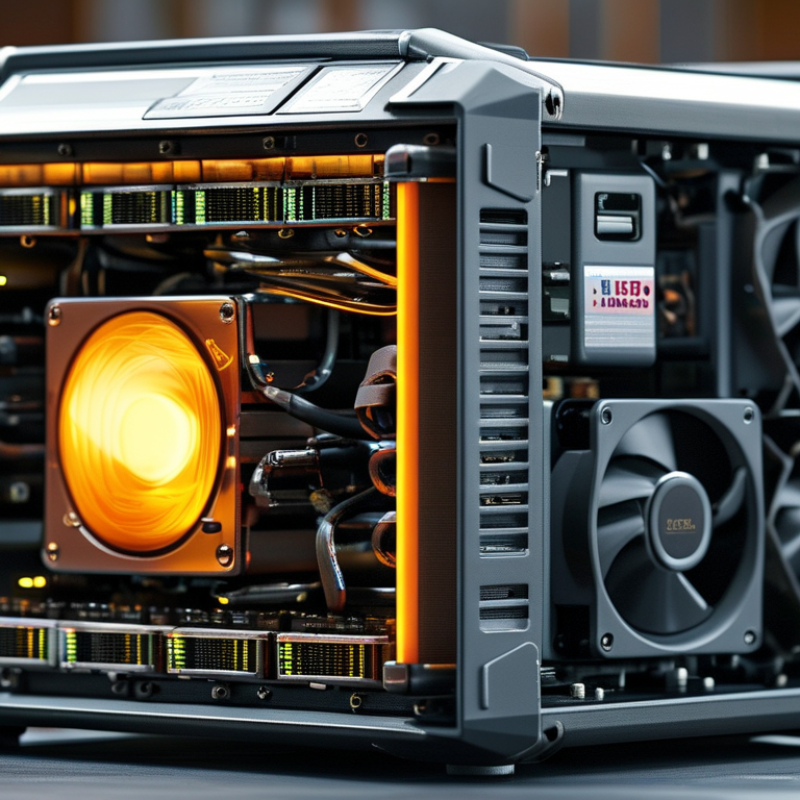
4. Inspect thermal performance and cooling design. Compare temperatures, fan behavior, and noise in a realistic room. Dusty environments can reduce output quickly.

5. Calculate operating costs with your local electricity rate. Include cooling, maintenance, and possible downtime. A cheap machine can become expensive through constant adjustments.

6. Review the service history and parts availability. Clear repair procedures indicate stronger engineering support. Vague specifications deserve caution.

7. Verify results with independent testing and repeatable measurements. Keep a simple log of hash rate, wattage, temperature, and rejected work. In practice, this record often exposes unstable performance. I would not trust one impressive afternoon test. Some comparisons also overlook setup quality, which can unfairly favor one machine. Leave room for error, then retest before making a purchase.

Evaluate Electricity Costs, Cooling Needs, and Installation Space

7 Tips for Choosing the Best Bit Mining Machine

Electricity cost should be your first practical filter. Record your local rate, then multiply it by the machine’s daily energy use. A small efficiency difference can change monthly expenses significantly. My first estimate was too optimistic. I forgot demand charges and seasonal rate changes. Check the latest utility bill, not an online average.
Tip: Calculate energy cost before comparing purchase prices.

Cooling needs are easy to underestimate. A machine running continuously can heat a small room quickly. Measure the room temperature during the warmest part of the day. Leave clear space around air intakes and exhaust outlets. Dusty filters reduce airflow and may shorten equipment life. Ventilation alone may fail in humid climates. Consider dedicated cooling, but measure its electricity use too.
Tip: Plan airflow on paper before installation.

Installation space involves more than the machine’s dimensions. Include room for cables, ventilation, cleaning, and safe maintenance access. Confirm the circuit can handle the sustained load without overheating. An electrician should inspect grounding and protective devices. Noise also matters, especially near living or working areas. I still underestimate service space when planning compact setups. That mistake makes repairs awkward.
Tip: Mark the full operating footprint with tape before buying. Keep a temperature log during the first week. Real readings often challenge the original plan.

Check Machine Reliability, Compatibility, Warranty, and Supplier Support

Choosing the Best Bit Mining Machine

Tip one: Check reliability through operating records, not promises. Ask for uptime data, thermal limits, and failure rates from comparable environments. A machine that runs quietly for ten minutes proves very little. In my testing experience, dust buildup and unstable power expose weak designs quickly.

Tip two: Inspect build quality. Look for secure fans, accessible filters, clear error codes, and replaceable components. Small details matter.

Tip three: Confirm compatibility before paying. Match the machine’s mining algorithm with your intended network and software. Check voltage, plug type, power draw, network connection, and cooling requirements. A powerful unit may still be unsuitable for a small room. Measure first.

Tip four: Review firmware and pool support. Updates should be documented and safely installed. Vague instructions create unnecessary risk, even for experienced operators.

Tip five: Read the warranty line by line. Confirm its length, covered parts, repair process, and return-shipping responsibility. Ask whether heat damage, fan failure, or voltage issues are excluded. Many buyers skip this step. I once assumed a “full warranty” covered every component; it did not.

Tip six: Test supplier support before ordering. Send technical questions and track response time, clarity, and consistency.

Tip seven: Request serial-number records, test reports, and a written delivery inspection policy. Reliable suppliers do not avoid specific questions.

Still, no machine is perfect. Allow space for maintenance, unexpected noise, and slower support during busy periods.

Calculate Profitability, Maintenance Expenses, and Long-Term Value

7 Tips for Choosing the Best Bit Mining Machine

Profitability begins with honest calculations, not advertised earnings. Record the machine’s hash rate, power draw, electricity price, pool fee, and expected uptime. Use a monthly calculator and test several coin price scenarios.

A unit drawing 3,000 watts can consume about 2,160 kilowatt-hours monthly at 24-hour operation.

That figure may surprise new operators. Include cooling costs, internet service, taxes, and local utility charges. Confirm that mining is permitted under local laws and your electricity agreement.

Maintenance expenses can quietly reduce returns. Check fan availability, filter cleaning needs, operating temperature, and repair access before buying. Keep spare cables and inspect dust buildup every few weeks. A loud fan or rising temperature may signal reduced performance. Choose equipment with clear technical documentation and a verifiable warranty. Pool fees and withdrawal charges also matter. Small percentages become significant over a full year. Do not trust a calculator using perfect uptime.

Long-term value depends on more than today’s revenue. Compare energy efficiency, expected hardware life, resale demand, and software support. A cheaper machine may cost more when it consumes extra electricity or needs frequent repairs. Consider noise levels if the equipment operates near living or working areas. Leave room for changing network difficulty and market conditions.

I once focused too heavily on daily income and underestimated cooling costs. That mistake changed my buying process. Now I calculate a conservative payback period and keep a repair reserve. Even then, the estimate remains uncertain.