Leave Your Message

Top Ant Miner Models to Buy for Global Buyers

Choosing an Ant Miner is no longer just a matter of comparing hashrate. Electricity prices, cooling capacity, noise limits, and delivery support can change the real cost of ownership. The International Energy Agency’s Electricity 2024 report estimated that cryptocurrency mining used about 110 terawatt-hours of electricity in 2022. It also projected that data centres, AI, and cryptocurrency could together use around 1,000 terawatt-hours annually by 2026. These are sector-wide estimates, not promises about any individual machine.

For global buyers, models such as the Antminer S21 series and S19 XP should be assessed against local operating conditions. A high-performance unit may look attractive on a specification sheet, yet require dependable power and substantial heat removal. Check the manufacturer’s published hashrate, power consumption, and supported voltage for the exact hardware revision. Then compare those figures with your electricity tariff and facility limits. Small differences matter.

Industry data also deserves careful reading. The Cambridge Centre for Alternative Finance’s Digital Mining Industry Report examines mining operations, energy sources, and industry practices, offering useful context beyond product listings. Still, no report can predict your site’s uptime or future returns. That part is uncertain. This guide compares leading Ant Miner models through practical criteria, including efficiency, operating requirements, and buyer support. Treat specifications as a starting point, verify them with the seller, and leave room for the inconvenient details—shipping, warranty coverage, and cooling costs.
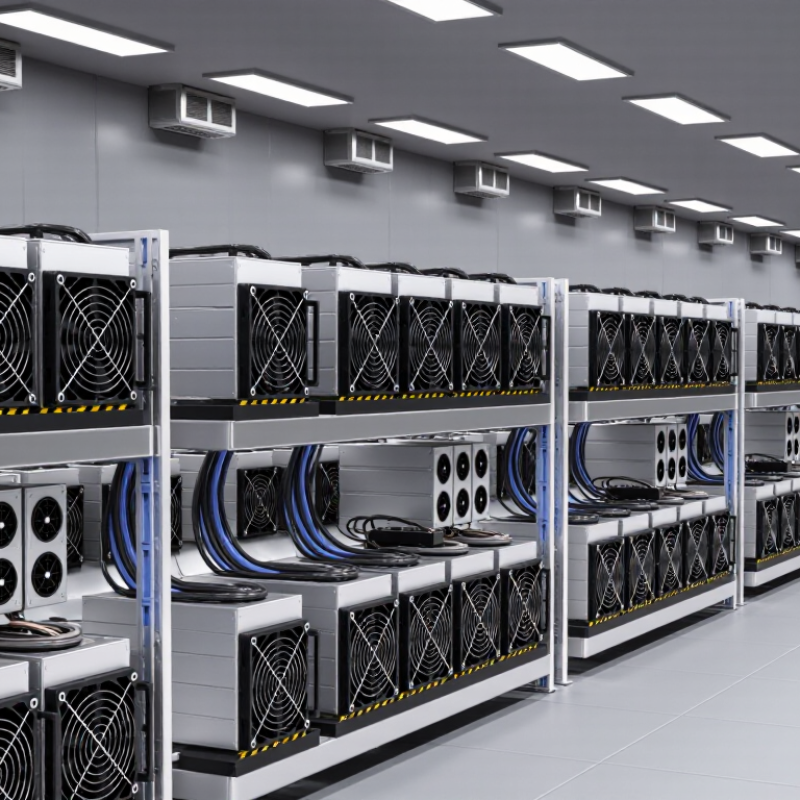
Top Ant Miner Models to Buy for Global Buyers

How Antminer Models Differ in Hash Rate, Efficiency, and Design

Hash rate shows how many calculations a miner can perform each second, but a larger number does not automatically mean a better purchase. Compare it with energy efficiency, usually listed in joules per terahash. A unit producing more hash power may also draw substantially more electricity. Check measured power at the wall when possible, since published figures can vary with operating conditions.

Efficiency matters every hour. A difference of a few joules per terahash can become noticeable across continuous operation, especially where electricity is costly. Check the machine’s input requirements, heat output, and cooling needs before comparing prices. A compact unit may fit a small rack, while a high-output model can need stronger airflow and more space between machines. Noise matters too. A quiet room may not stay quiet.

Design affects daily maintenance. Look for accessible fans, clear cable routing, and a sturdy frame that allows dust to be removed without awkward disassembly. Specifications are useful, but confirm them against independent measurements and current operating conditions. I would not choose from hash rate alone; that shortcut is tempting, and sometimes wrong. A practical comparison can feel untidy because electricity rates and room temperatures differ. Still, those details often determine whether a model suits a particular setup.
Which Leading Antminer Models Match Different Mining Goals

Choosing a leading ASIC miner starts with matching its efficiency to your electricity price, not chasing the highest hashrate. For a tight power budget, compare newer, efficient models by joules per terahash and expected uptime. A small efficiency gap can matter across thousands of operating hours. That adds up. Check the miner’s actual power draw, compatible power supply, and cooling requirements before comparing purchase prices. Published figures are useful, but room temperature, dust, and ventilation can change real-world performance.

Different goals call for different trade-offs. A large operation with stable, low-cost power may favor high-throughput units, provided its electrical capacity and cooling system can handle the heat. A smaller site may value quieter operation and simpler maintenance, even if its hashrate is lower. Think about the room, too: hot exhaust needs a clear path, and fans can be loud enough to disrupt nearby work. There is no perfect model. Forecasts also depend on network difficulty and coin price, so treat projected returns as estimates, not promises. Before buying, verify warranty terms, replacement-part access, and delivery costs; these details are easy to overlook. I would revisit the power assumptions before ordering, because that is where an attractive specification can meet an inconvenient reality.

Top Ant Miner Models to Buy for Global Buyers - Which Leading Antminer Models Match Different Mining Goals

Model Profile Typical Mining Goal Hash Rate Power Draw Efficiency Algorithm Buyer Considerations
High-efficiency class A Maximize hash rate per unit of electricity in a modern facility 234 TH/s 3,510 W 15.0 J/TH SHA-256 Requires substantial electrical capacity, suitable cooling, and access to competitively priced power.
High-efficiency class B Balance strong output with efficient operation 200 TH/s 3,500 W 17.5 J/TH SHA-256 Check circuit capacity, airflow, and local electricity costs before purchase.
Efficiency-focused class C Upgrade hash rate while prioritizing energy efficiency 140 TH/s 3,010 W 21.5 J/TH SHA-256 A practical comparison point for buyers weighing acquisition cost against ongoing energy use.
Established class D Deploy a widely recognized mid-generation performance tier 110 TH/s 3,250 W 29.5 J/TH SHA-256 Older-generation efficiency makes the local power tariff especially important to profitability.
Established class E Consider a lower-output option for a constrained upgrade or replacement 104 TH/s 3,068 W 29.5 J/TH SHA-256 Compare condition, warranty, and total delivered cost carefully when evaluating used units.

Specifications shown are representative published configurations for these performance tiers. Actual hash rate and power draw can vary by unit, firmware, operating mode, and environmental conditions. Confirm the exact specification and electrical requirements with the seller before ordering.

How to Compare Power Costs, Cooling Needs, and Expected Returns

Compare mining machines by energy efficiency, not hashrate alone. A unit with higher output can still earn less if it draws much more electricity. Use your actual tariff, including demand charges and seasonal rates; a low headline price can hide expensive peaks.

Measure twice.

At $0.10 per kilowatt-hour, a 3.5-kilowatt unit uses about 84 kilowatt-hours daily, before cooling overhead.

Compare expected revenue against the full energy bill, pool fees, and likely downtime.

Cooling needs are site-specific: a dry room with clear intake paths behaves differently from a humid, dusty garage.

Check heat output, noise, and inlet temperature limits before choosing a room or rack.

A fan upgrade may help, but it adds cost and cannot fix restricted exhaust.

Monitor temperatures during the warmest hours.

Estimate returns using conservative network difficulty and coin-price assumptions, then test a weaker-price scenario. Online calculators are snapshots, not forecasts.

A spreadsheet can look precise while omitting repairs, shipping delays, or days offline.

Check warranty terms, replacement-part access, and local service options; a cheaper unit may sit idle longer. These costs are easy to underestimate.

What Global Buyers Should Check Before Choosing a Model

Before comparing ASIC miner models, define the conditions at the installation site. Check the available voltage, circuit capacity, and plug type against the machine’s specifications. A mismatch can require extra electrical work. Measure the rack space and leave room for airflow and maintenance. Noise matters, too; a machine that seems manageable in a warehouse may be unsuitable near occupied rooms.

Compare hashrate with energy efficiency, usually listed in joules per terahash. Higher hashrate alone does not guarantee a better fit. Estimate daily electricity use from the rated power, then compare it with your actual tariff and expected operating hours. Numbers can mislead. Ask the seller for clear product specifications, operating-temperature limits, and details about the power supply. If a figure is missing or vague, treat that as a reason to verify it, not guess.

For international purchases, confirm shipping dimensions, delivery terms, warranty coverage, and where repairs can be handled. Request recent photos or a short test video for used equipment, including the control interface and cooling fans. Check that local electrical and import requirements are met before ordering. I would also keep a buffer for setup costs; it is easy to underestimate cabling, ventilation, or delays. Even a careful spreadsheet may miss one detail. That is worth reviewing before payment.

Choosing an ASIC Miner: Daily Electricity Cost by Tariff

Estimated electricity cost for a miner drawing 3.5 kW continuously (24 hours per day), shown across example electricity rates.

Calculation: 3.5 kW × 24 hours × electricity rate. These are rate scenarios, not regional price averages. Use the model’s actual power draw and your electricity tariff to estimate operating costs before buying.

How to Verify Sellers, Warranty Coverage, Shipping, and Import Rules

Before paying, verify the seller’s registered business details, physical address, and payment beneficiary. Request a dated video showing the machine’s serial number, accessories, and a live startup. Match the serial number to the stated warranty process; a screenshot alone is weak evidence. Get written terms for the warranty start date, repair location, exclusions, and return shipping. A cheap warranty can travel badly. The World Bank’s 2023 Logistics Performance Index assessed 139 economies using factors including customs, tracking, and timeliness. Use those same concerns when asking for recent tracking records and a named carrier.

UNCTAD reported that maritime trade volume grew 2.4% in 2023, but that figure is context, not a delivery promise. Request a shipping quote that lists package dimensions, insured value, dispatch window, and who handles customs clearance. Check that the commercial invoice accurately describes the machine and power supply. Confirm your destination’s import, tax, electrical-safety, and documentation requirements with customs or a licensed broker before ordering. Ask who is the importer of record; “tax included” is not clear enough. Keep records.

Also confirm the power supply voltage, plug type, and cooling requirements against your site. Paperwork helps, but it cannot prove what is inside a sealed box. Inspect the shipment promptly, photograph damage, and report missing parts within the carrier’s claim window.