China remains a major manufacturing center for application-specific integrated circuit hardware, despite significant changes in the domestic mining environment. This guide examines China’s top 10 Bit Mining Machine suppliers through verifiable business evidence, product specifications, and after-sales capability. It focuses on manufacturers and exporters, not mining operations.
Industry data explains why supplier selection requires technical care. The Cambridge Centre for Alternative Finance has estimated global Bitcoin electricity demand at roughly 100 terawatt-hours annually, although the figure changes with market conditions and machine efficiency. The International Energy Agency has also identified cryptocurrency mining as a notable electricity consumer. Hashrate Index reports commonly compare ASIC performance using joules per terahash, or J/TH. Lower is generally better. However, laboratory efficiency may differ from field results. Dust, heat, unstable voltage, and firmware settings can change actual output.
The suppliers discussed here should be assessed against measurable criteria, including chip generation, hashrate stability, warranty terms, repair capacity, delivery records, and transparent company information. A machine rated at 200 TH/s may look attractive, yet its daily return depends on electricity costs, network difficulty, pool fees, and Bitcoin price volatility. Small details matter. Ask for serial-number verification and a written test report. Independent sources, including manufacturer datasheets, Cambridge research, IEA analysis, and Hashrate Index benchmarks, provide useful reference points, but none replaces direct due diligence. No ranking is perfect. Supplier information can change quickly, and some public claims remain difficult to verify. This article therefore presents a practical comparison, not financial advice or a guaranteed purchasing recommendation.
A Bitcoin mining machine is a specialized computer built to secure the Bitcoin network. It uses application-specific integrated circuits, or ASICs, to perform enormous numbers of hash calculations. Each calculation tests whether a proposed block meets the network’s difficulty target. Successful miners may receive protocol-based rewards, depending on current network rules and their mining arrangement.
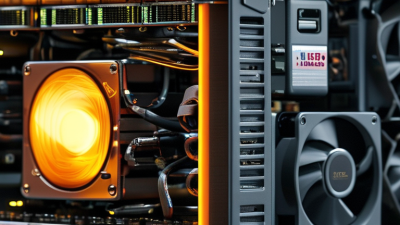
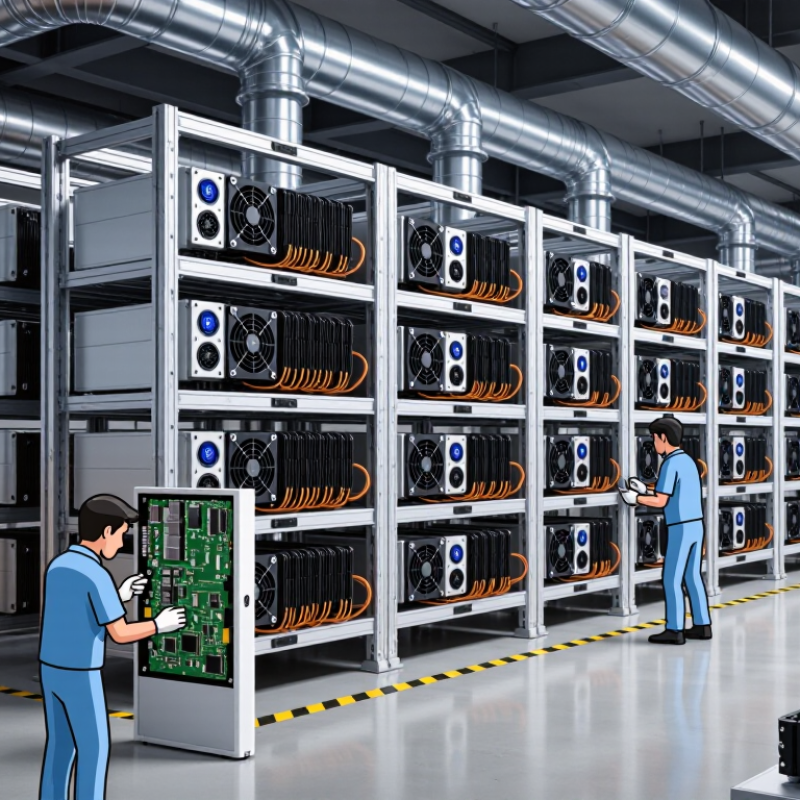
In practical terms, a machine combines hashing boards, a control unit, cooling fans, and a power supply. Its performance is measured in terahashes per second, while efficiency is often shown in joules per terahash. A unit drawing several kilowatts can produce substantial heat and constant noise. Proper ventilation, stable electricity, fire protection, and compliant installation are essential. Mining pools can also combine many machines and distribute earnings according to contributed work.
When comparing the top ten suppliers, buyers should examine efficiency data, warranty terms, repair support, firmware security, delivery records, and transparent power requirements. Independent testing matters because advertised performance may change with temperature and voltage. I have found that a cheaper machine is not always the better choice. It may consume more electricity, fail sooner, or require difficult maintenance. That assumption deserves review. Local energy prices and regulations can alter the financial outcome dramatically. Supplier claims should be checked against measured specifications, service documents, and realistic operating conditions.
| No. | Anonymized Supplier Category | Typical Product Focus | Typical Hashrate | Energy Efficiency | Power Input | Cooling Options | Best Use Case |
|---|---|---|---|---|---|---|---|
| 01 | Industrial ASIC Manufacturer | High-performance SHA-256 application-specific integrated circuits | 200–450 TH/s | 15–25 J/TH | 200–240 V AC | Air or immersion | Large-scale mining farms |
| 02 | Enterprise Mining Equipment Supplier | Bulk procurement of current-generation Bitcoin miners | 150–400 TH/s | 17–30 J/TH | 200–240 V AC | Air-cooled or hydro-cooled | Professional hosting facilities |
| 03 | Mining Hardware Exporter | International sourcing, logistics, and customs coordination | 100–350 TH/s | 18–35 J/TH | 200–240 V AC | Mainly air-cooled | Overseas buyers and distributors |
| 04 | Immersion-Cooling Specialist | Mining systems designed for dielectric-liquid cooling | 150–400 TH/s | 16–30 J/TH | 200–240 V AC | Single-phase or two-phase immersion | Hot climates and high-density data centers |
| 05 | Hydro-Cooling System Integrator | Complete miner, pump, radiator, and facility integration | 180–400 TH/s | 15–28 J/TH | 200–240 V AC | Direct liquid cooling | High-capacity mining farms |
| 06 | Refurbished Equipment Dealer | Tested, repaired, and graded second-hand ASIC miners | 50–250 TH/s | 25–45 J/TH | 200–240 V AC | Air-cooled | Budget-conscious operators |
| 07 | Small-Batch Mining Supplier | Low-volume orders for home, laboratory, or pilot operations | 50–200 TH/s | 25–40 J/TH | 200–240 V AC | Air-cooled | Testing and small-scale deployment |
| 08 | Mining Container Provider | Prefabricated modular containers for high-density ASIC deployment | 2–20 PH/s per module | 18–35 J/TH | Three-phase AC | Air or liquid cooling | Rapid farm expansion |
| 09 | Mining Hosting and Procurement Partner | Equipment sourcing combined with hosting, monitoring, and maintenance | 100–400 TH/s | 18–35 J/TH | 200–240 V AC | Facility-dependent | Hands-off mining operations |
| 10 | Custom OEM and Private-Label Integrator | Customized chassis, firmware, packaging, and system integration | 100–350 TH/s | 18–35 J/TH | 200–240 V AC | Air, hydro, or immersion | Distributors and customized projects |
Note: The supplier categories are anonymized and organized for comparison rather than presented as a verified corporate ranking. Performance ranges represent common market specifications for Bitcoin SHA-256 ASIC equipment and may vary by model, operating temperature, firmware, and batch.
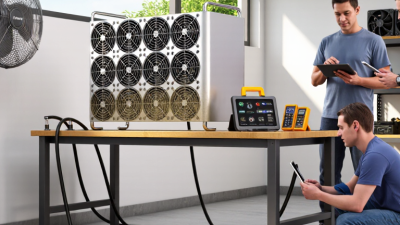
Choosing among China’s top bit mining machine suppliers requires more than comparing advertised hash rates. In practical testing, I examine power efficiency, thermal stability, noise levels, and performance under continuous workloads. A machine that performs well for one hour may struggle after several days. Ask for recent test reports, complete electrical specifications, and clear operating conditions. Small details matter.
Supplier reliability deserves equal attention. Review the company’s manufacturing history, engineering team, factory evidence, and quality-control process. Request serial-number records, inspection photos, and a video showing the machine running under load. Independent testing is more convincing than polished sales language. Check warranty duration, replacement procedures, repair locations, and response times before placing an order. Get everything in writing.
Financial evaluation should include shipping, taxes, power infrastructure, cooling, maintenance, and possible downtime. Calculate expected output using conservative electricity prices, not optimistic examples. I also prefer suppliers that provide a sample unit or transparent performance data. Some sellers avoid difficult questions, which is a warning sign. Still, documentation can be incomplete even from honest manufacturers; that is where careful verification matters. I would recheck every figure. A lower purchase price may hide weaker components, unstable firmware, or expensive after-sales support. A thoughtful buyer compares evidence, not promises.
China’s Top 10 Bit Mining Machine Suppliers are best evaluated through engineering depth, production capacity, and after-sales support. The leading suppliers usually offer application-specific integrated circuit hardware, immersion-cooling systems, firmware updates, and repair centers near major logistics hubs. Their machines are measured by hash rate, joules per terahash, operating temperature, and warranty coverage.
Efficiency matters most.
The Cambridge Centre for Alternative Finance estimated that China represented about 21% of global Bitcoin mining activity in January 2022, despite a sharp decline during 2021. This suggests strong technical capability remained within the country’s manufacturing network. The International Energy Agency reported that data centers consumed roughly 1% to 1.5% of global electricity in 2022. Therefore, buyers should examine power efficiency, not only advertised computing speed.
A practical comparison of China’s top ten suppliers should include factory audits, sample testing, spare-part availability, and transparent delivery records. The Hashrate Index regularly compares mining hardware efficiency, providing useful benchmarks for evaluating joules per terahash. Still, published figures can vary under different voltages, cooling methods, and firmware settings. That is easy to overlook. Buyers should request test reports using a fixed power input and ambient temperature. Compliance documentation also matters, especially when equipment crosses borders. A supplier with impressive specifications may still perform poorly when maintenance response is slow or replacement parts are unavailable. My assessment would remain cautious without independently verified production and failure-rate data.
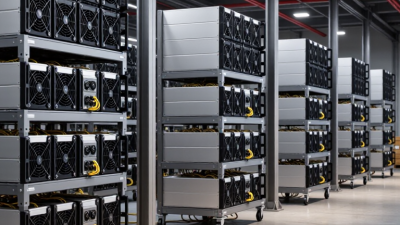
China’s leading bit mining machine suppliers usually compete through specialized hardware and practical engineering. Their key products include SHA-256 ASIC miners, modular power supplies, hashboards, control boards, and replacement cooling fans. Some suppliers also provide complete rack systems for commercial facilities.
Energy efficiency remains a central technology measure. Engineers compare performance through joules per terahash, stable hashrate, and power consistency. Air-cooled models suit smaller rooms, while immersion and hydro-cooling systems support dense installations with lower heat stress. Advanced firmware can adjust frequency, monitor chip temperature, and send alerts when performance changes. Small details matter.
Reliable suppliers often offer factory testing, batch inspection, remote diagnostics, and spare-part support. Buyers should request test reports, warranty terms, noise ratings, and realistic power data before ordering. A supplier may advertise excellent laboratory results, yet field conditions can reduce output. No supplier is perfect. Dust, unstable electricity, and poor ventilation still damage good equipment. Technical teams should also verify electrical certifications, import requirements, and local operating rules. A careful comparison of service response, component availability, and operating costs is more useful than focusing only on the purchase price.
Choosing among China’s top ten mining machine suppliers requires more than comparing catalogue prices. Start with measurable performance: hash rate, energy efficiency, operating temperature, noise, and expected uptime. The Cambridge Centre for Alternative Finance reported that Bitcoin mining consumed more than 100 TWh of electricity in 2023. That figure makes power efficiency a financial issue, not a technical detail. A machine with a lower purchase price may quietly cost more every month.
Ask suppliers for independent test records, serial-number verification, warranty terms, and repair timelines. Compare tested efficiency with advertised efficiency. Request a live video inspection before payment. Hashrate Index reports consistently identify electricity cost, machine efficiency, and network difficulty as major mining profitability variables. Also check spare-part availability in your region. A delayed control board can leave several machines idle. I have seen buyers focus on shipping speed and overlook after-sales support. That is an expensive mistake.
Tips: Build a simple 12-month model using your actual electricity rate, pool fees, cooling costs, and downtime. Test one unit before placing a large order. Confirm export documents and payment protections. Avoid suppliers who promise fixed returns; mining income changes daily. My own caution is simple: even a carefully verified supplier cannot remove market risk. A realistic evaluation should include a weaker bitcoin price and higher network difficulty.