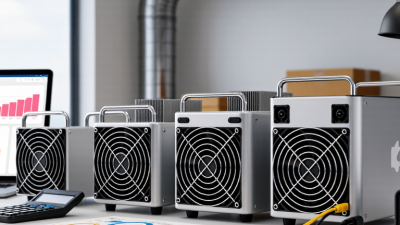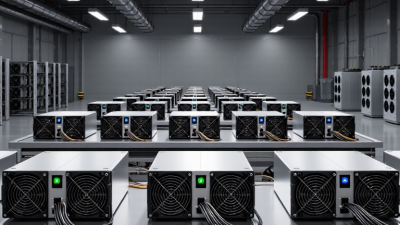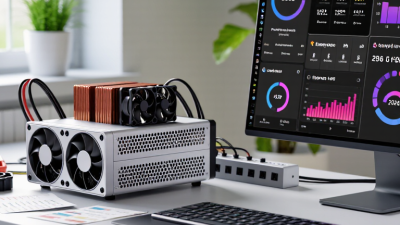
Choosing the best ASIC Miner in 2026 will require more than comparing advertised terahashes. A profitable machine must balance efficiency, purchase cost, electricity rates, cooling needs, and network difficulty. The most powerful model may not deliver the strongest return. Sometimes, a quieter and more efficient unit fits a real mining site better.
Jaran Mellerud, a recognized Bitcoin mining researcher and industry analyst, has described the sector clearly: “Bitcoin mining is an energy business, not a computer business.” That view remains highly relevant. A modern ASIC Miner can consume several kilowatts continuously, producing substantial heat and fan noise. A unit rated at 20 joules per terahash may appear attractive, yet its economics change quickly when electricity costs rise above a few cents per kilowatt-hour. Hosting fees, maintenance, pool charges, delivery delays, and warranty limits also deserve attention.
This guide will examine leading ASIC models available or expected in 2026. It will compare efficiency, hashrate, durability, noise, and practical operating requirements. Real-world conditions matter. Dusty rooms, unstable power, and poor ventilation can reduce performance within weeks. Manufacturer specifications are useful, but they are not guarantees. I may favor a less impressive machine when its total operating cost is clearer. That is not the easiest conclusion. It is often the more responsible one. Readers should calculate their own break-even point before buying, because cryptocurrency prices and mining difficulty can change faster than equipment decisions.
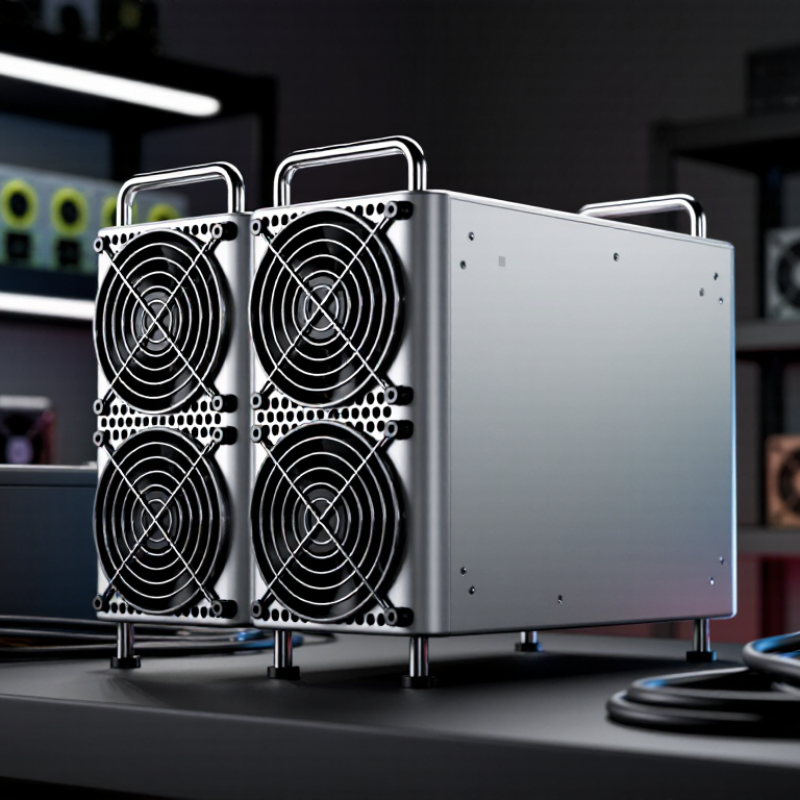
An ASIC miner is purpose-built hardware for solving one algorithm efficiently. It cannot mine every digital asset. The best choice depends on efficiency, electricity cost, cooling, and network difficulty.
In its Electricity 2024 report, the International Energy Agency estimated global crypto-mining demand at 110–160 TWh annually, with possible growth toward 160–240 TWh by 2026.
That range shows why power planning matters more than advertised speed.
Compare joules per terahash, not only terahashes per second. A faster machine can still lose money when its power draw rises sharply. Check the miner’s measured efficiency, noise level, operating temperature, warranty terms, and repair access.
Industry hashprice reports also show that mining revenue changes quickly with network competition and asset prices. I would model three electricity-price scenarios before buying.
My first calculation was too optimistic.
Tips:
Use a spreadsheet with electricity, pool fees, downtime, cooling, and replacement parts. Test the miner beside your planned circuit before deployment. Leave room for heat. The Cambridge Centre for Alternative Finance has also highlighted energy sourcing and operational efficiency as important mining risks. A profitable estimate should survive a weaker revenue month, not just today’s conditions.
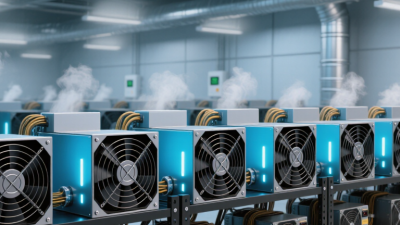
What Is the Best ASIC Miner to Buy in 2026?
Hashrate matters, but efficiency usually decides long-term profitability. Current high-performance ASIC miners commonly deliver hundreds of terahashes per second. Their efficiency may range from about 15 to 25 joules per terahash. Lower numbers mean less electricity for the same computing power. That difference becomes significant when a machine runs continuously in a warm room.
A miner with higher hashrate is not automatically the better choice. Power capacity, cooling, noise, and electricity prices can change the result. For example, a 250 TH/s unit drawing 4,000 watts needs a serious circuit and steady ventilation. A smaller 150 TH/s model may produce less heat and fit a home setup more safely. Check the manufacturer’s measured figures, not only advertised peak performance. Firmware settings can also reduce consumption, although they may lower hashrate.
Efficiency is only part of the assessment. I would compare joules per terahash, warranty terms, repair access, and expected operating temperature. Dust buildup can quietly increase fan speed and power use. That detail is easy to miss. Newer machines often look superior on paper, yet real performance may vary with pool settings, voltage stability, and ambient heat. I would leave a margin for electrical costs and downtime, because optimistic calculations rarely survive a full season of operation.
Choosing the best ASIC miner in 2026 starts with purchase cost, not advertised hash rate. A machine priced at $3,000 may need a power supply, wiring, ventilation, and delivery fees. Record every expense before comparing returns. A lower-priced unit can become expensive when it draws more electricity. Check hash rate, efficiency in joules per terahash, warranty terms, and expected service life. Treat seller estimates as estimates.
Electricity usually decides whether mining works. At $0.08 per kilowatt-hour, a 3,000-watt miner uses about $5.76 daily before cooling costs. At $0.15, that same load costs about $10.80. The fans run constantly. Heat and noise are real operating costs. A garage may need stronger circuits and exhaust equipment. Pool fees, downtime, maintenance, and local taxes also reduce income. Measure your actual electricity tariff, including demand charges.
Profitability should be modeled with conservative assumptions. Subtract daily power, pool fees, repairs, and hardware depreciation from expected revenue. Network difficulty can rise, while market prices can fall quickly. Use a 90-day sensitivity table instead of one optimistic figure. If the payback period depends on perfect uptime, the plan is fragile. I would test a higher power rate and a 20% revenue decline. An ASIC can remain technically efficient yet financially unsuitable. Recheck the numbers monthly, because yesterday’s purchase case may already be outdated.
What Is the Best ASIC Miner to Buy in 2026?
Matching ASIC Miner Types to Different Mining Goals and Budgets
The best ASIC miner depends on your electricity rate, space, and mining objective. A high-hashrate model is not automatically the best choice. It may consume more power, produce intense heat, and require upgraded wiring. Measure your tariff first. Then compare efficiency in joules per terahash, expected uptime, noise, and cooling costs. A simple spreadsheet often reveals more than a headline hashrate figure.
For serious Bitcoin mining, current SHA-256 machines suit operators with stable, inexpensive electricity and dedicated ventilation. Home users may prefer a lower-power unit, even with reduced output. It can fit a garage more comfortably and limit monthly risk. Scrypt-based hardware serves a different mining strategy, while other algorithm-specific ASICs may offer narrower opportunities. Check network difficulty and resale demand before buying. Algorithms can lose profitability quickly.
Budget matters beyond the purchase price. Reserve money for power supplies, circuit work, heat extraction, pool fees, repairs, and downtime. Small-scale buyers should prioritize efficiency and manageable noise. Larger operators can consider modular racks, immersion cooling, and monitoring software. I still see people overvalue hashrate and underestimate heat. That mistake is expensive. My own planning would include a three-month electricity reserve and a conservative revenue estimate. Manufacturer specifications also need independent checking, because real performance varies with temperature, firmware, and power quality. Never treat projected returns as guaranteed income.
Matching ASIC miner types to different mining goals and budgets
SHA-256 ASICs generally offer the broadest hardware availability, while Scrypt ASICs can support merged-mining networks. Specialized algorithms may suit lower-budget or niche strategies, but availability and resale liquidity are usually more limited. The power figures represent practical planning ranges for current ASIC hardware categories; actual results depend on firmware, cooling, ambient temperature, and operating mode.
What Is the Best ASIC Miner to Buy in 2026?
Reliability should come before advertised hash rate. A stable miner with predictable uptime can outperform a faster model that overheats weekly. Check reported failure rates, repair access, firmware history, and power connector quality. Ask how the unit behaves after months of continuous operation, not just during a short showroom test. Dusty rooms expose weak designs quickly.
Cooling needs deserve practical attention. Measure room temperature, airflow, and electrical load before ordering. A miner running in a warm garage may need ducting, filtered intake, or additional ventilation. Listen for fan noise, too. A loud fan can signal heavy thermal stress, although noise alone proves little. Temperature readings should remain consistent across all boards. Small differences matter.
Warranty terms can change the long-term value. Read coverage periods, shipping responsibilities, repair exclusions, and conditions linked to voltage or operating temperature. A low purchase price becomes less attractive when overseas repairs take several months. Calculate electricity, maintenance, replacement fans, and expected downtime. I would also leave a financial buffer for mistakes. My own estimates would not be perfect, especially when energy prices change. That uncertainty deserves more weight than optimistic return calculators. A dependable warranty, accessible documentation, and replaceable parts may matter more than a slightly higher initial output.
| Device Profile | Mining Algorithm | Typical Hashrate | Typical Power Draw | Energy Efficiency | Estimated Annual Electricity Use* | Noise Level | Cooling Requirements | Reliability Outlook | Typical Warranty Position** | Long-Term Value | Best For |
|---|---|---|---|---|---|---|---|---|---|---|---|
|
Current-Generation Efficiency Class Air-cooled SHA-256 unit |
SHA-256 | 190–235 TH/s | 3,200–3,600 W | 15–17 J/TH | 28,032–31,536 kWh | 75–82 dBA | Dedicated 240 V circuit, strong air intake and exhaust, dust filtration, and room-level heat removal. | Very Good Modern power design and efficient thermal management, provided operating temperature and voltage remain stable. |
Usually 6–12 months for new hardware; coverage may exclude hashboard damage caused by dust, moisture, overvoltage, or improper installation. | Strong Best balance of efficiency, resale demand, and useful service life. |
Operators with electricity below approximately $0.08/kWh and access to industrial ventilation. |
|
High-Performance Air-Cooled Class SHA-256 unit prioritizing maximum hashrate |
SHA-256 | 230–290 TH/s | 3,600–4,100 W | 14–16 J/TH | 31,536–35,916 kWh | 78–85 dBA | High-volume airflow, short exhaust path, dedicated electrical distribution, and active room cooling. Not suitable for most homes. | Good High thermal load increases fan, connector, and power-supply stress if airflow is restricted. |
Commonly 6–12 months when purchased new; used units may have limited, transferred, or no remaining warranty. | Strong at Low Power Cost High output per machine, but the larger upfront and infrastructure cost increases financial risk. |
Large mining facilities with reliable three-phase or high-capacity electrical infrastructure. |
|
Immersion-Compatible Efficiency Class SHA-256 unit configured for liquid cooling |
SHA-256 | 180–240 TH/s | 2,900–3,700 W | 14–17 J/TH | 25,404–32,412 kWh | 35–55 dBA after enclosure | Requires dielectric fluid, an immersion tank, heat exchanger, pumps, monitoring, and trained maintenance personnel. | Very Good in Controlled Conditions Lower dust exposure and stable temperatures can reduce fan-related failures, but pumps and fluid systems add failure points. |
Warranty terms may change when a unit is modified for immersion; written approval from the seller is important. | Good for Scale Higher installation cost, but attractive where noise, dust, or heat recovery is important. |
Professional farms, colocated facilities, and heat-reuse projects. |
|
Previous-Generation Efficient Used Class SHA-256 unit purchased second-hand |
SHA-256 | 100–150 TH/s | 2,900–3,500 W | 21–29 J/TH | 25,404–30,660 kWh | 72–82 dBA | Requires industrial airflow and careful cleaning. Older fans, thermal pads, cables, and power supplies should be inspected before deployment. | Moderate Condition varies widely; operating history and repair quality matter more than age alone. |
Often sold without warranty or with a short 7–30 day testing period. Request a dated hashrate and error-rate report. | Potentially Good Can be economical at a low purchase price, but lower efficiency raises exposure to electricity-price changes. |
Experienced buyers who can test, repair, and source replacement components. |
|
Entry-Level Legacy Class SHA-256 unit for small-scale testing |
SHA-256 | 50–100 TH/s | 2,500–3,400 W | 28–50 J/TH | 21,900–29,784 kWh | 70–82 dBA | Needs dedicated ventilation and electrical protection. Home operation is generally impractical because of heat and noise. | Limited Older components and poor efficiency can make repairs uneconomical during extended periods of low mining revenue. |
Usually no manufacturer warranty remains; marketplace or seller protection may be the only available coverage. | Weak for Continuous Mining Useful for education, testing, or very low-cost electricity, but vulnerable to rapid economic obsolescence. |
Technical experimentation, educational laboratories, and buyers with nearly free electricity. |
|
Compact Low-Voltage Development Class Small SHA-256 test miner |
SHA-256 | 1–5 TH/s | 15–120 W | 20–40 J/TH | 131–1,051 kWh | 30–60 dBA | Standard low-voltage power adapter and basic airflow are normally sufficient; performance is not comparable with industrial miners. | Good for Learning Lower electrical and thermal stress, but limited hashrate means negligible production revenue. |
Warranty depends heavily on the seller; 30–90 days is common for small specialist products. | Educational Value Low purchase and operating cost, but not a serious profit-oriented mining investment. |
Beginners, developers, demonstrations, and home users who want low noise and low power consumption. |
* Annual electricity use assumes continuous operation for 8,760 hours and excludes cooling, networking, hosting, pool fees, repairs, and downtime. ** Warranty periods and exclusions vary by seller, region, purchase condition, and installation method. Hashrate, power draw, efficiency, and noise figures are representative ranges for commercially available SHA-256 ASIC equipment and should be verified against the specific unit’s current datasheet before purchase.