7 Best Bit Coin Miners for Global Buyers?
Choosing a Bit Coin Miner is no longer a simple hardware comparison. Global buyers must examine efficiency, electricity prices, cooling needs, firmware quality, and supplier support. A machine that performs well in Canada may struggle in a hot, high-cost location. Small details matter. Noise matters too.
The Cambridge Centre for Alternative Finance reported that Bitcoin mining’s electricity mix included 59.5% sustainable energy in its 2022 study. The International Energy Agency estimated that cryptocurrency mining consumed about 110 terawatt-hours globally in 2022. These figures show both the industry’s scale and its environmental pressure. They also explain why newer ASIC miners focus on joules per terahash, rather than headline hashrate alone. CoinShares research has repeatedly highlighted mining’s sensitivity to electricity costs, network difficulty, and Bitcoin’s market price. Profitability can change quickly. Very quickly.
Fred Thiel, executive chairman of Marathon Digital, has described Bitcoin mining as “a way to monetize energy that would otherwise be wasted.” That perspective is useful, but incomplete. Not every buyer has access to stranded energy or industrial-scale infrastructure. A reliable review should compare measurable specifications with real operating conditions. It should also discuss warranty terms, regional voltage requirements, shipping risks, and responsible energy sourcing. This guide examines seven Bit Coin Miner options for global buyers, using public specifications and industry research. No model is perfect. Some advertised advantages may weaken after installation, maintenance, and cooling costs are included. That uncertainty deserves attention before purchase.
Bitcoin Mining Basics and How Mining Hardware Works
Bitcoin mining is a proof-of-work process that secures the Bitcoin network. Miners compete to solve cryptographic puzzles using specialized computers. These machines repeatedly calculate hashes until one meets the network’s target. The successful miner may receive a block reward and transaction fees. Network difficulty changes regularly, keeping block production near its expected pace. Mining is not passive income. It is sustained computation.
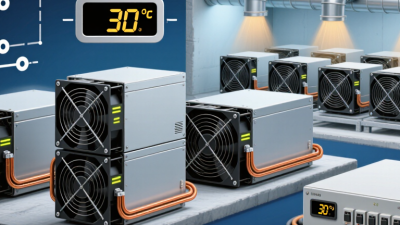
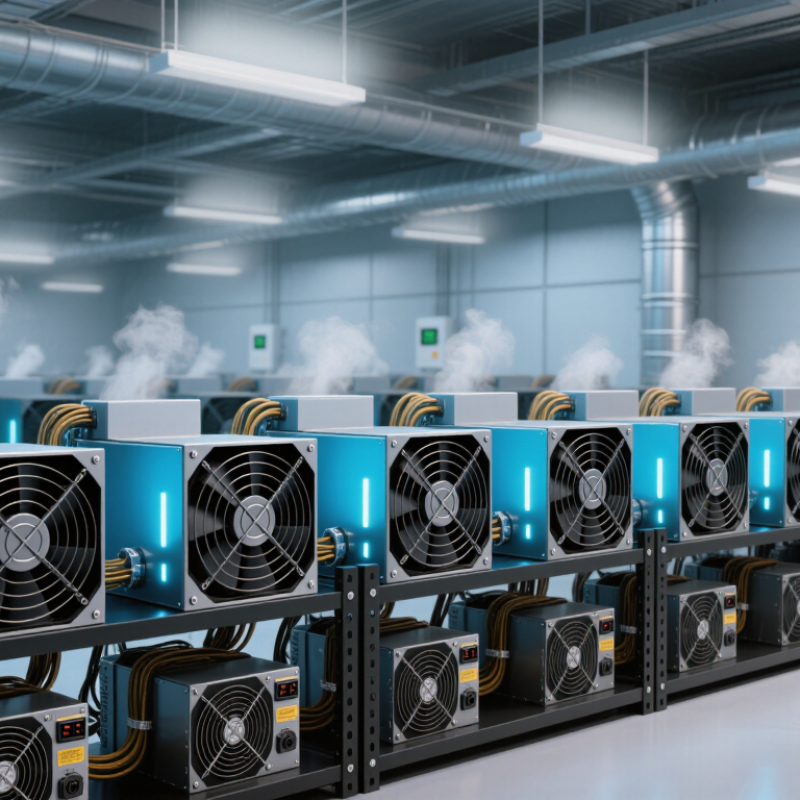
For global buyers, mining hardware should be judged beyond advertised speed. Modern units use application-specific chips built for one main task. Hash rate measures computing power, while energy efficiency shows electricity used per terahash. A higher hash rate can increase output, but it also raises power demand. The power supply must match the machine’s voltage and connector requirements. Cooling matters too. In a small room, hot air, dust, and constant fan noise become serious problems. I would measure operating temperature with a simple sensor, not rely only on specifications.
When comparing seven candidate miners, check independent test data, warranty terms, electrical certification, and local import rules. Hardware made for one voltage standard may require approved equipment elsewhere. Mining pools distribute work and reduce payment volatility, but fees affect earnings. Profit estimates should include electricity, ventilation, maintenance, downtime, and currency changes. A common mistake is trusting a perfect calculator result. Real conditions are messier. Leave a financial margin, because network difficulty and hardware performance can change.
Electricity, Cooling, Noise, and Installation Requirements
7 Best Bitcoin Miners for Global Buyers: Electricity, Cooling, Noise, and Installation Requirements
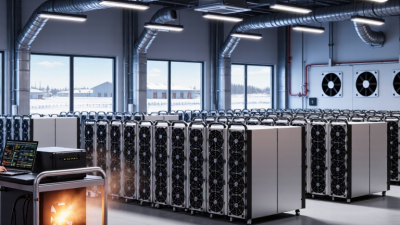
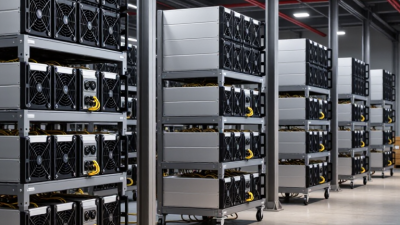
The seven best Bitcoin miners are not identical choices for every country or building. High-efficiency ASIC units suit areas with expensive electricity, while compact models fit smaller workshops. Low-power units may reduce heat, but they usually produce less computing power. Hydro-cooled and immersion-ready systems can manage heat better, yet they require pumps, tanks, filters, and technical maintenance. Modular rack miners simplify expansion. Quiet-tuned models help near offices, but “quiet” never means silent. Check the manufacturer’s efficiency rating, voltage range, operating temperature, and repair access before buying.
Electricity is the real starting point. A single unit can draw several kilowatts continuously, similar to multiple household appliances running together. Ask a licensed electrician to inspect circuit capacity, grounding, breakers, and local voltage standards. Cooling needs steady airflow, clean filters, and a safe heat-exhaust route. In hot climates, room temperature can quickly reduce performance. Noise can exceed normal conversation levels, especially in a closed room. Installation also requires strong shelving, enough clearance, fire protection, and compliance with local building and import rules. I have seen buyers focus on hash rate first. That decision often becomes expensive.
Tips: Measure electricity and noise before delivery. Leave extra space around every intake and exhaust. Keep humidity controlled. Never place a miner beside sleeping areas. Test one unit before expanding. My first layout would not be my final layout; real heat patterns often prove initial plans wrong.
Shipping, Warranty, Regulations, and Total Ownership Costs
7 Best Bitcoin Miners for Global Buyers?
For global buyers, the best Bitcoin miner is not always the fastest model. Shipping conditions can change the real purchase price. Check whether the seller uses delivered-duty-paid or buyer-paid customs clearance. A 25-kilogram package may require a liftgate, reinforced shelving, and careful indoor placement. Ask for serial-number tracking before payment. Photograph the crate when it arrives. Small damage can become an expensive dispute.
Warranty terms deserve close reading. Some sellers cover parts but exclude labor, shipping, or damage from unstable power. Others require repairs through a regional service center. Confirm the warranty period, response time, return address, and diagnostic process in writing. A clear invoice should identify the machine, power supply, voltage range, and included accessories. Vague promises are risky. I would not rely on chat messages alone.
Regulations also affect total ownership costs. Verify local electrical certifications, import rules, noise limits, and recycling obligations before ordering. Mining equipment can draw substantial continuous power, so calculate electricity using your actual tariff, not an advertised estimate. Add freight, taxes, ventilation, maintenance, replacement fans, downtime, and payment fees. A simple spreadsheet helps compare seven candidates fairly. My own mistake was ignoring heat management; the room became uncomfortable within hours. Efficiency matters, but installation reality matters more.
7 Best Bitcoin Miners for Global Buyers? - Shipping, Warranty, Regulations, and Total Ownership Costs
| Configuration |
Hash Rate
(TH/s) |
Power Draw
(kW) |
Efficiency
(J/TH) |
Typical Unit Price
(USD) |
Estimated International Shipping
(USD) |
Typical Warranty |
Electrical / Regulatory Considerations |
3-Year Electricity Cost
at $0.08/kWh |
Estimated 3-Year Total Ownership Cost
(USD) |
Configuration A
High-efficiency air-cooled |
234 |
3.51 |
15.0 |
$2,800–$5,000 |
$250–$650 |
6–12 months |
Requires continuous 220–240 V power, dedicated circuit, strong ventilation, and noise control. Check local import duties and electrical certification requirements. |
$7,389 |
$10,439–$14,039 |
Configuration B
Premium air-cooled |
200 |
3.40 |
17.0 |
$1,800–$3,800 |
$220–$600 |
6–12 months |
Dedicated 220–240 V circuit normally required. Verify plug type, input frequency, product safety markings, and customs classification before purchase. |
$7,157 |
$9,177–$12,157 |
Configuration C
Balanced air-cooled |
150 |
3.15 |
21.0 |
$1,200–$2,700 |
$200–$550 |
6–12 months |
Suitable only where heat and noise can be managed. Confirm local rules for high-load appliances, residential use, and energy consumption. |
$6,632 |
$8,032–$9,882 |
Configuration D
Value air-cooled |
120 |
3.25 |
27.1 |
$650–$1,600 |
$180–$500 |
3–6 months |
Lower purchase cost but higher electricity per terahash. Used units may require repairs, replacement fans, or hash-board servicing. |
$6,842 |
$7,672–$9,442 |
Configuration E
Compact air-cooled |
100 |
3.40 |
34.0 |
$450–$1,200 |
$160–$450 |
3–6 months |
Often more practical for small-scale buyers, but it produces substantial heat and acoustic noise for its output. Check household circuit capacity. |
$7,157 |
$7,767–$9,407 |
Configuration F
Hydro-cooled high-density |
473 |
5.68 |
12.0 |
$8,000–$15,000 |
$700–$1,800 |
6–12 months |
Requires a compatible liquid-cooling loop, pumps, heat exchanger, filtration, and professional installation. Import and installation compliance is more complex. |
$11,961 |
$22,061–$32,761 |
Configuration G
Entry-level air-cooled |
90 |
3.42 |
38.0 |
$300–$900 |
$150–$400 |
3–6 months |
Lowest initial cost, but the highest energy use per terahash among the listed configurations. Confirm noise limits, ventilation, and local power regulations. |
$7,199 |
$7,649–$9,099 |
Cost and compliance notes:
- Electricity estimates assume continuous operation for 36 months, 720 hours per month, and an electricity rate of $0.08 per kWh. They exclude mining-pool fees, downtime, repairs, cooling-system costs, taxes, and changes in electricity prices.
- Total ownership cost includes the midpoint of the listed unit-price range, the midpoint of the shipping range, and the calculated three-year electricity cost. Electrical installation and customs charges are excluded.
- International buyers should verify import duties, VAT or GST, prohibited-use rules, local energy regulations, radio-frequency requirements, product-safety markings, plug standards, and the seller’s return and warranty process.
- Shipping prices and warranty terms vary by destination, stock location, product condition, insurance, Incoterms, and seller. Confirm all terms in writing before payment.