Top Cloud Mining Trends and Insights for 2026 Are You Ready?
As we look towards 2026, the landscape of Cloud Mining is evolving rapidly. According to a recent report by MarketsandMarkets, the global cloud mining market is projected to grow from $3.7 billion in 2023 to $7.2 billion by 2026, reflecting a compound annual growth rate of 20.6%. This growth signals a surge in interest and investment, making it crucial for participants to stay informed about the latest trends and insights.
Emerging technologies, such as artificial intelligence and blockchain enhancements, are reshaping efficiency within cloud mining operations. A study from Statista highlights that by 2025, over 75% of cryptocurrency miners will utilize cloud solutions for their operations. However, challenges remain. The volatility of cryptocurrencies and concerns about regulatory frameworks can affect investments. Adaptability is key; miners must evaluate risk management strategies.
This period of transition also presents an opportunity for more transparency and sustainability in mining practices. Companies are increasingly focusing on energy-efficient solutions and renewable energy sources to minimize their carbon footprint. In this dynamic environment, understanding the fundamental shifts in the cloud mining sector will be essential for stakeholders aiming to navigate the complexities of the cryptocurrency market.

Emergence of New Blockchain Technologies in Cloud Mining
The cloud mining industry is witnessing rapid advancements due to emerging blockchain technologies. By 2026, it's projected that 20% of all cryptocurrency transactions will occur through decentralized platforms. This shift indicates a rise in efficiency and security, attracting more individuals and organizations to cloud mining.
New blockchain technologies offer innovative solutions to existing challenges. For instance, Layer 2 scaling solutions are enhancing transaction speeds and reducing costs significantly. In some reports, the average cost per transaction has decreased by approximately 40% in over six months. Such improvements are essential for the sustainability of cloud mining operations.
Despite these advancements, challenges persist. Many cloud mining services still struggle with transparency issues. Users often lack access to crucial information regarding processing fees and payout mechanisms. This gap breeds skepticism and emphasizes the need for greater accountability in the industry. As blockchain technology evolves, maintaining clarity in operations will be vital for nurturing trust among stakeholders.
Key Market Drivers Influencing Cloud Mining Growth by 2026
The cloud mining industry is evolving rapidly. Key market drivers are shaping its growth toward 2026. Technological advancements play a crucial role. Innovations in artificial intelligence and blockchain can enhance mining operations. These technologies improve efficiency and reduce costs. Miners are now more data-driven, relying on advanced analytics for decision-making.
Regulatory frameworks are also influential. As governments develop clearer policies, trust in cloud mining increases. Miners need to navigate these regulations carefully. Compliance ensures long-term sustainability and market retention. Additionally, environmental concerns are pushing for greener solutions. The demand for sustainable practices is rising among consumers.
Market fluctuations affect the cloud mining landscape too. Investors must remain cautious and informed. Volatility can create opportunities, but it also poses risks. Adapting to market trends is essential for success. Businesses that understand these dynamics will likely thrive by 2026. Cloud mining presents challenges and opportunities. Awareness of these factors will be necessary for future growth.
The Role of Artificial Intelligence in Optimizing Mining Operations
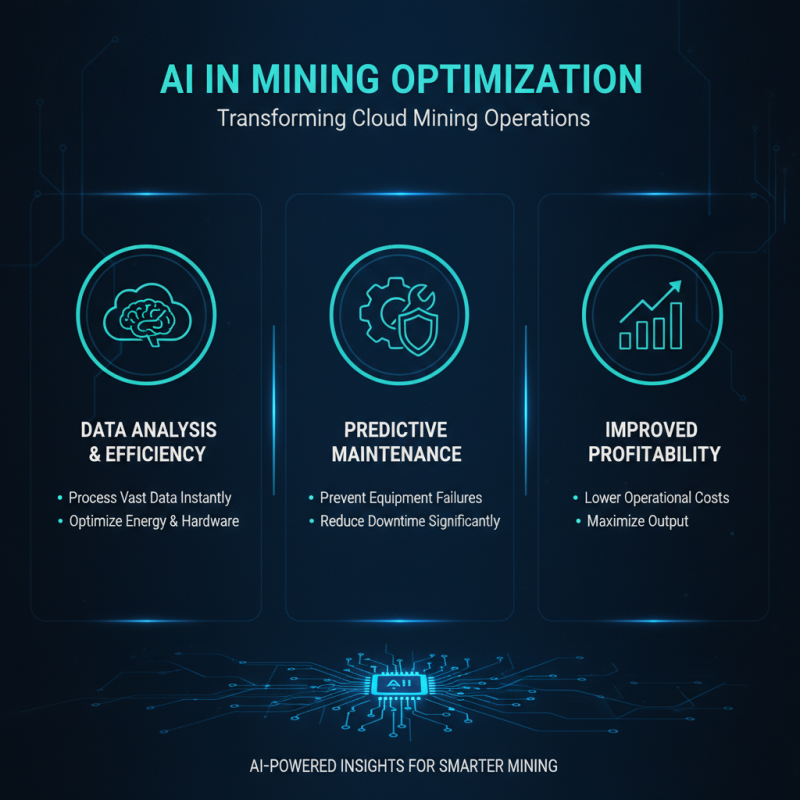
The integration of artificial intelligence (AI) in cloud mining operations is transforming the landscape. AI algorithms can analyze vast amounts of data quickly. This capability enables miners to optimize energy consumption and improve hardware performance. Predictive maintenance powered by AI helps anticipate equipment failures before they occur, reducing downtime significantly.
However, this shift comes with challenges. While AI enhances efficiency, it also requires skilled personnel to manage these systems. Many organizations struggle to find qualified experts. Additionally, the reliance on AI makes these operations vulnerable to cyber threats. Ensuring robust security measures is crucial in this evolving environment.
As we look toward 2026, the role of AI in mining will likely expand. Ethically navigating these advancements is vital. Ensuring that AI tools promote transparency and fairness is essential for long-term success. The mining industry must reflect on how to balance innovation with responsibility. Adapting to these trends will shape the future of mining.
Sustainability Trends and Their Impact on Cloud Mining Practices
Sustainability is changing the landscape of cloud mining. As concerns about environmental impact grow, many operators are examining their practices. Green energy sources, such as solar and wind, are becoming more popular among mining facilities. They offer clean alternatives to traditional energy. This shift can significantly reduce the carbon footprint associated with mining activities.
Mining practices also reflect a move towards efficiency. Operators are investing in more efficient hardware and innovative cooling solutions. These advancements help minimize energy consumption. However, challenges remain. Not all miners have access to renewable energy. This creates a gap in sustainable practices. The industry must address these concerns to truly embrace a green future.
Collaboration will play a key role in advancing sustainability efforts. Miners, energy providers, and regulators need to work together. Establishing best practices can lead to more widespread adoption of eco-friendly methods. Yet, some might resist change, fearing increased costs. Balancing profitability and sustainability is complex. Ongoing dialogue is essential.
Top Cloud Mining Trends and Insights for 2026
Regulatory Developments Affecting the Future of Cloud Mining
The regulatory landscape for cloud mining is evolving rapidly. Governments worldwide are taking a closer look at cryptocurrency operations. These regulations aim to foster a safer environment for investors while promoting innovation in the sector. In this changing climate, cloud mining companies must stay compliant. New policies often arise unexpectedly, leading to adjustments in operations. This unpredictability challenges businesses to adapt quickly.
Compliance can be costly and time-consuming. It requires in-depth knowledge of local and international laws. Companies that fail to meet regulatory requirements may face legal penalties. This reality stresses the importance of transparency in cloud mining operations. Establishing trust with customers is paramount for long-term success. Stakeholders are increasingly focusing on ethical practices. Building a solid reputation hinges on adhering to regulatory guidelines while offering reliable services.
As the cloud mining sector advances, staying ahead of regulatory changes is crucial. Industry players need to monitor developments closely. Adapting strategies accordingly can avoid pitfalls. This proactive approach not only protects the business but also enhances credibility. Being prepared for change can be a significant advantage in this volatile market.
Top Cloud Mining Trends and Insights for 2026
| Trend |
Impact Level |
Regulatory Changes |
Future Outlook |
| Decentralization |
High |
Stricter guidelines on decentralized platforms |
Positive growth expected |
| AI Integration |
Medium |
Emergence of compliance-focused AI tools |
Enhanced operational efficiency |
| Renewable Energy Use |
High |
Incentives for sustainable practices |
Increased adoption expected |
| Security Overhauls |
Very High |
New cybersecurity regulations |
Stronger protection mechanisms |
| Market Volatility Management |
Medium |
Regulatory frameworks on taxation |
More stability expected |