Is Cloud Mining Worth It for Global Buyers?
In recent years, Cloud Mining has gained traction among global buyers. It offers an accessible way to participate in cryptocurrency mining without the need for expensive hardware. However, the question remains: is it truly worth the investment? Industry expert Dr. Emily Chen once stated, “While Cloud Mining opens doors to many, it's crucial to understand profitability and risks involved.”
Many potential buyers may find the concept appealing, yet they need to approach it with caution. The allure of passive income from Cloud Mining can be enticing, but there are underlying complexities. Factors such as maintenance fees, contract lengths, and the volatility of cryptocurrencies can impact returns. Buyers must analyze these aspects thoroughly before committing their resources.
Moreover, the market is filled with misleading advertisements. Some services may promise guaranteed returns that are unrealistic. As a result, it is important to research reputable providers and stay informed. Avoiding impulsive decisions is paramount. By being well-informed, buyers can navigate the uncertainties in the Cloud Mining landscape effectively.

Overview of Cloud Mining: Definition and Functionality
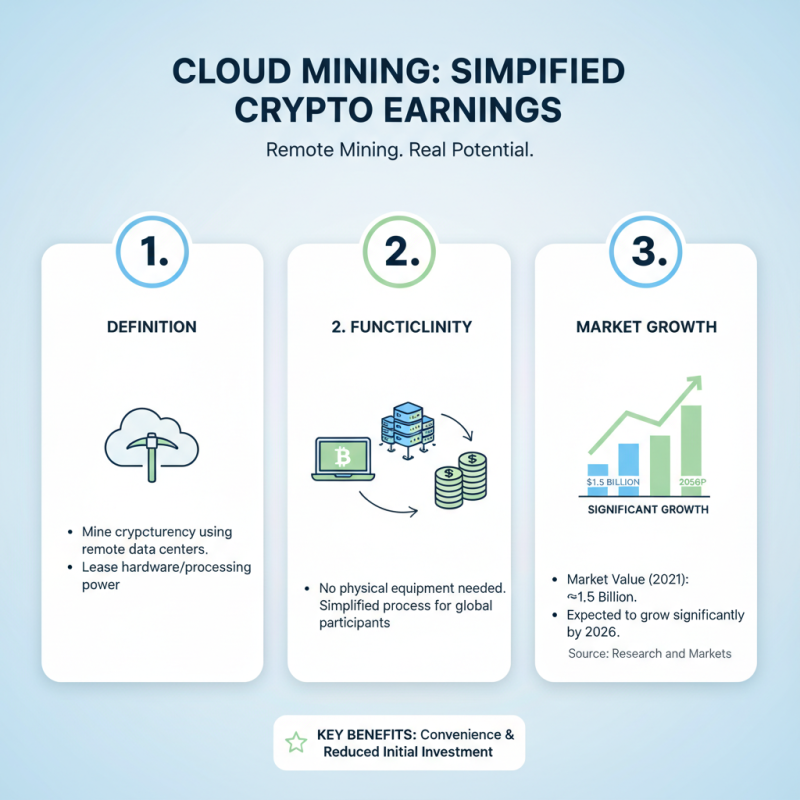
Cloud mining refers to the practice of mining cryptocurrency using remote data centers. Buyers lease hardware or processing power, eliminating the need for physical equipment. This mode of operation can simplify the mining process for global participants. According to a report from Research and Markets, the global cloud mining market was valued at approximately $1.5 billion in 2021 and is expected to grow significantly by 2026. Many buyers seek this option for convenience and reduced initial investment.
However, the effectiveness and profitability of cloud mining can be inconsistent. Costs associated with mining leases, energy consumption, and platform fees can erode potential gains. Buyers must be cautious. A study from CryptoCompare notes that some contracts may not provide the expected returns due to fluctuating cryptocurrency prices. Selecting a reputable provider is crucial but challenging in an ever-evolving market.
Tips: Always research the cloud mining provider carefully. Look for user reviews and industry recommendations. Thoroughly examine the fine print of contracts. Don’t rush decisions based on attractive marketing. Understanding these facets is essential for informed investment. Recognizing the risks can help manage expectations.
The Economic Viability of Cloud Mining for Global Investors
Cloud mining has become an attractive option for many global investors. Its appeal lies in convenience and lower upfront costs. Buyers do not need to purchase expensive hardware. Instead, they rent computing power from a provider. However, the model raises some questions about its economic viability.
The profitability of cloud mining can fluctuate significantly. Market conditions change rapidly. Fees associated with cloud services can erode potential earnings. Investors must also consider the energy costs, as they contribute to overall expenses. Many providers show returns; however, these can be inconsistent. It is essential to conduct thorough research before investing.
Trust in cloud mining services varies widely. For some, the assurance of a reliable provider is paramount. Others face challenges with transparency and hidden fees. Potential investors should analyze reviews and seek testimonials. This reflection on one’s choices can lead to better decisions. Ultimately, while cloud mining offers opportunities, it requires careful consideration and due diligence.
Key Factors Affecting Cloud Mining Profitability and ROI
Cloud mining offers a unique alternative for those looking to invest without the high upfront cost of hardware. However, various factors significantly influence its profitability. One major factor is the cost of electricity, which can vary widely depending on location. Lower electricity costs typically lead to higher profits. In contrast, high electricity rates may erode returns. Buyers should carefully consider these costs before entering the market.
Another essential factor is the mining pool's fees, which can impact overall earnings. Investors often overlook these fees, assuming that cloud mining will be straightforward. A significant portion of profits can be lost to management fees charged by cloud mining services. Additionally, the performance of cryptocurrencies themselves fluctuates, creating uncertainty. Market volatility can either boost profits or lead to losses. Therefore, potential cloud miners must actively monitor market trends.
Lastly, trust in the cloud mining provider is crucial. Many companies promise high returns but do not deliver. Researching company backgrounds and customer reviews can provide vital insights. This helps in making informed decisions. Transparency in operations is also a key indicator of reliability. The cloud mining landscape is not without risks, so cautious and informed investment strategies are necessary.
Environmental Impact of Cloud Mining Operations Globally
The environmental impact of cloud mining operations is significant and warrants careful consideration. According to recent studies, data centers contribute roughly 1% to global greenhouse gas emissions. This percentage is expected to rise as demand for cryptocurrencies increases. Mining activities require immense amounts of electricity, often derived from fossil fuels. Countries heavily reliant on coal may find their cloud mining operations detrimental to their carbon footprint.
In addition to carbon emissions, cloud mining can lead to increased electronic waste. The lifespan of mining hardware is relatively short, often becoming obsolete within a few years. This contributes to the global e-waste crisis, with over 50 million metric tons generated annually. Many mining operations overlook the importance of responsible disposal and recycling of equipment, further harming the environment.
Tips:
Optimize your mining choice. Research energy sources of data centers. Look for operations powered by renewables. Support initiatives aimed at enhancing sustainability within the industry. Consider the long-term implications of mining, not just immediate profits. Reflect on the ecological consequences of your investments. Making informed choices is crucial in mitigating environmental harm.
Comparative Analysis: Cloud Mining vs. Traditional Mining Methods
Cloud mining and traditional mining methods both have their pros and cons. For beginners, cloud mining can be appealing. It requires less technical knowledge and no physical equipment investment. Users can start mining without the need for hardware setup. This ease of entry is a significant advantage for those unfamiliar with cryptocurrencies.
However, traditional mining offers a hands-on approach. Miners have full control over their equipment and operations. They can optimize settings and respond to market changes swiftly. The initial investment is higher, but ownership may lead to better returns in the long run. Traditional mining also allows for consistent updates and hardware improvements.
Tips: When considering cloud mining, ensure you research the provider's reputation. Look for reviews and feedback from current users. For traditional mining, calculate your potential electricity costs. Understanding your local rates can influence profitability. Both methods come with risks; being well-informed is crucial. Regular analysis will guide your investment strategy and help you adapt to market fluctuations.