Which Is the Best Bit Main Supplier in China?
Choosing the best Bit Main supplier in China involves more than comparing machine prices. Buyers should verify product identity, operating condition, warranty terms, and after-sales support. These details matter because mining hardware runs under sustained electrical and thermal loads. A clear specification sheet should state hashrate, power consumption, cooling requirements, and tested operating conditions.
Energy efficiency deserves close attention. The Cambridge Centre for Alternative Finance’s 2023 Digital Mining Industry Report estimated that sustainable energy supplied 52.6% of electricity used by its surveyed miners. That figure includes nuclear power and reflects the study’s sample, not every mining operation. Still, it highlights why buyers should compare joules per terahash alongside purchase cost. Small efficiency differences can shape long-term operating expenses. Numbers need context.
A reliable supplier should provide verifiable serial numbers, recent test results, written warranty coverage, and a reachable technical contact. Ask whether units are new, refurbished, or previously operated, and request dated photographs or video of the actual machines. Confirm packaging, shipping terms, and the process for handling faults before payment. These checks cannot remove every risk. They can expose vague claims early. China has many electronics vendors, but supplier location alone does not prove manufacturing authority or product quality. The strongest choice is the seller that documents its claims, answers technical questions consistently, and gives you enough information to make an informed comparison.
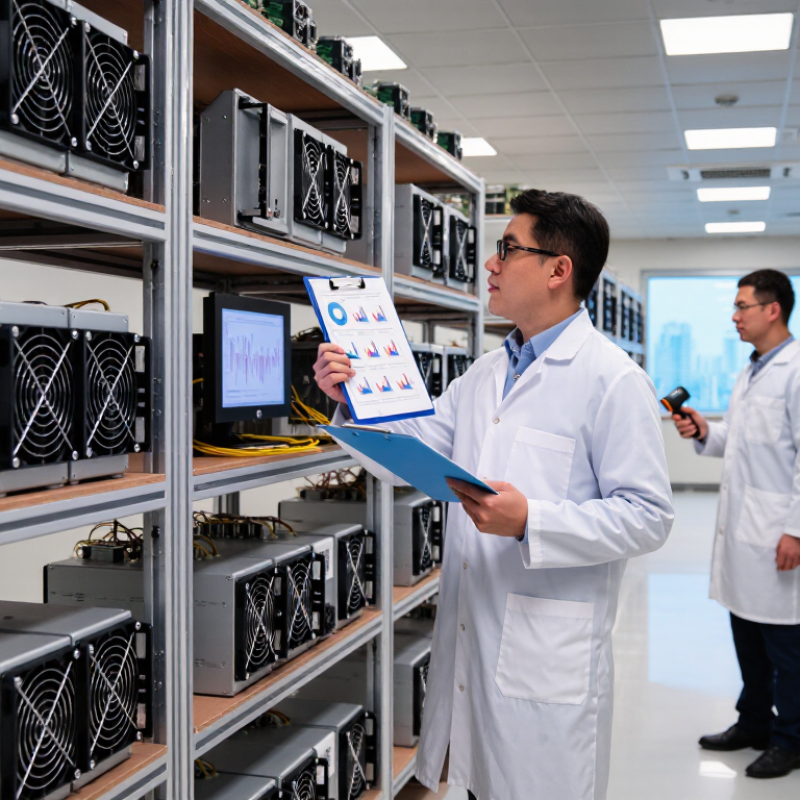
What Bitmain Suppliers in China Offer
Chinese suppliers of mining hardware can offer more than equipment listings. A useful supplier helps buyers compare hashrate, power consumption, cooling needs, and expected noise. These details matter when a machine will run in a small room or a warehouse with limited ventilation. Ask for the exact model, condition, production batch, and current stock status in writing. Good answers are specific. A quote should also separate equipment, shipping, insurance, and any service charges, so the final cost is easier to check.
Some suppliers provide inspection photos, test records, spare parts, warranty terms, and setup guidance. Request clear evidence, such as a dated operating video and readable unit labels, rather than relying on polished catalog images. Confirm how faults are handled, who pays return freight, and how long replacement parts may take. Details vary. Communication can be uneven, and a low price may reflect older stock or limited support. That is easy to miss. Before paying, compare the written offer with the machine specifications and ask an independent technician to review unclear claims. Even careful checks cannot remove every risk, but they can make the purchase decision more grounded.
Evaluating ASIC Suppliers in China: What to Consider
Bitcoin’s block subsidy has decreased at each halving. When comparing supplier offers, consider miner efficiency, quoted price, warranty terms, shipping, and support; this historical chart provides context for mining economics, not a supplier ranking.
China’s Bitmain Supplier Landscape
China’s ASIC equipment supplier landscape includes manufacturers, authorized distributors, and smaller trading companies. Their offers can look similar online, yet service quality and product traceability may differ.
The lowest quote is not always the lowest-risk choice.
Ask who handles warranty claims and where replacement parts are kept.
A careful comparison starts with practical details. Request a dated quotation that lists the model, condition, included accessories, payment schedule, and shipping terms. Ask for clear photos of the unit’s label and packaging, then confirm that the serial information matches the sales documents. For larger orders, consider an independent inspection before dispatch.
Small checks matter.
Support can separate a dependable supplier from a short-term seller.
Confirm response times, troubleshooting steps, repair options, and the exact limits of any warranty. Ask how transit damage or missing components are handled. Keep written records of each answer. Some details may remain unclear, and that deserves a pause. Supplier capacity, stock, and service arrangements can change, so verify them for the specific order rather than relying on old listings or broad promises.
Key Factors for Comparing Bitmain Suppliers
Comparing equipment suppliers takes more than checking the quoted price. Ask for the exact model, condition, rated hashrate, power consumption, and warranty terms in writing. A seller should explain how each unit is tested and what happens if its measured performance falls below specification. Request dated photos of the equipment labels and packaging, then compare them with the invoice before payment.
Check whether the supplier can provide a traceable business address, clear contact details, and references from recent customers. Ask how serial numbers are recorded and whether replacement parts are available. Shipping details matter too: confirm packaging, estimated dispatch time, tracking, and who handles damage claims. A low price may be attractive, but unclear warranty exclusions can make repairs costly. Get the details on paper.
Communication is evidence, though not proof. Notice whether answers are specific or simply repeat sales language. If possible, inspect a sample unit or arrange an independent performance check before placing a large order. I would also compare the quoted power draw against the product documentation; small differences can affect operating costs. One limitation: even careful checks cannot remove every risk, and a polished website may still tell you very little. That part is easy to overlook.
How to Verify a Supplier’s Products and Credentials
Which Is the Best Bit Main Supplier in China?
How to Verify a Supplier’s Products and Credentials
Choosing a drilling-bit supplier takes more than comparing prices or reading a polished catalog. Ask for a current product sheet that lists dimensions, materials, connection types, and recommended operating conditions. Then compare those details with a sample. Check the bit’s finish, labeling, and measured dimensions against the specification. Small differences matter.
Request quality records for the actual product, not just a general company brochure. A useful inspection report should identify the product, inspection date, measurement method, and results. Ask how measuring equipment is calibrated and whether production checks are recorded. Verify certificates with the issuing organization when possible. Keep the details.
Credentials deserve the same scrutiny. Confirm the supplier’s registered business information and manufacturing address, then check whether the factory’s capabilities match your order. A video call can show the production floor, but it does not replace an independent audit or a physical inspection. Ask for references from comparable buyers, while remembering that references may not reveal every problem.
Before ordering, agree in writing on sample approval, tolerances, packaging, delivery dates, and remedies for defects. Keep emails and inspection records together. A checklist helps, but it cannot predict every production issue; even a careful review leaves some uncertainty. Notice how the supplier answers specific questions. Clear, consistent answers are more useful than confident promises.
Choosing a Supplier for Your Requirements
Choosing a supplier starts with your operating requirements, not the lowest quoted price. Define target output, power limits, noise tolerance, delivery window, and expected daily runtime. For mining hardware, ask for model-specific hashrate, power consumption, and test conditions. Results without test details are difficult to compare.
Request a written quotation that separates equipment, shipping, packaging, and service fees. Ask whether units are new or refurbished, how they are inspected, and what the warranty excludes. Details matter. Check stock claims with recent photos, a dated inventory sheet, or a live inspection. Ask for evidence. Confirm payment milestones and the process for handling damaged goods before sending funds.
A capable supplier should answer technical questions clearly and provide documents matching the exact configuration. Compare response times, spare-part availability, and support hours across several candidates. If your site has unstable voltage or limited cooling, share those constraints early. The recommendation should reflect them. No checklist catches everything. Vague answers about testing or warranty terms deserve a closer look, even when the price seems attractive. A fast reply alone does not prove reliable after-sales support.