Top 10 Tips for Choosing the Best Bit Mining Machine for Beginners
When venturing into the world of cryptocurrency, the choice of a Bit Mining Machine becomes a pivotal decision, especially for beginners. As the market for digital currencies continues to expand, so does the technology surrounding mining, making it essential to understand the various aspects of these machines. Selecting the right Bit Mining Machine can significantly influence not only your mining efficiency but also your potential profitability in this fast-paced landscape.
In this guide, we will explore the top 10 tips for choosing the best Bit Mining Machine tailored specifically for novices. From evaluating the machine's hash rate and power consumption to considering the importance of cooling systems and ease of setup, we aim to equip you with the knowledge needed to make an informed decision. Understanding these key elements will help you navigate the complexities of mining hardware, ensuring that your entry into cryptocurrency mining is both successful and sustainable. Whether you are aiming for a hobby or aspiring to build a robust mining operation, these tips will serve as a valuable resource to kickstart your journey.
Understanding Bit Mining: What Beginners Need to Know
Understanding bit mining can seem overwhelming for beginners, but grasping some fundamental concepts can pave the way to successful participation in this growing field. At its core, bit mining involves using computational power to solve complex mathematical problems, which in turn validates transactions on a blockchain network. This process not only helps maintain the integrity of the network but also rewards miners with digital currency for their efforts. For newcomers, familiarizing themselves with terms like hash rate, difficulty, and block reward is crucial, as these factors directly impact mining profitability.
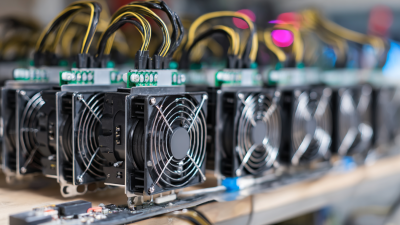
Moreover, understanding the hardware requirements is essential for anyone starting in bit mining. The performance of mining machines can vary significantly, affecting both energy consumption and potential earnings. Beginners should research the various types of mining machines available, focusing on their efficiency and power usage to make an informed choice. In addition, it's important to consider factors such as cooling systems and noise levels, as these can influence the overall mining experience. By taking the time to learn these basics, new miners can position themselves to select the right equipment and strategies that best suit their individual circumstances and goals in the bit mining landscape.
Key Hardware Specifications for Optimal Mining Performance
When selecting a bit mining machine, understanding the key hardware specifications is essential for optimal performance, especially for beginners entering this competitive field. One of the most critical factors is the hash rate, which measures the mining power of a machine. According to the Cambridge Centre for Alternative Finance, the average hash rate for Bitcoin mining machines has significantly increased over the years, with current machines reaching up to 100 TH/s (terahashes per second) or more. The higher the hash rate, the more likely a miner is to solve blocks and earn rewards, making it a crucial consideration.
In addition to hash rate, energy efficiency is another vital specification to consider. The power consumption of mining machines is typically measured in watts per hash (W/TH). Recent research from the Blockchain Research Institute indicates that the top-performing mining rigs operate at approximately 30-40 W/TH, which allows miners to maximize their profitability by reducing operational costs. Therefore, finding a machine that balances a high hash rate with low power consumption is essential for sustainable mining operations. Furthermore, cooling solutions and build quality should not be overlooked, as efficient cooling systems can prolong the lifespan of the hardware while maintaining optimal performance during extended mining sessions.
Top 10 Tips for Choosing the Best Bit Mining Machine for Beginners
Evaluating Energy Efficiency: Power Consumption vs. Profitability
When selecting the best bit mining machine, energy efficiency stands out as a critical factor that directly impacts profitability. According to a recent report by the Cambridge Centre for Alternative Finance, mining operations can consume up to 1% of the world’s total energy supply. This intense power requirement necessitates a careful evaluation of energy consumption metrics. Beginners should look for machines that not only provide high hash rates but also optimize power usage, striking a balance that maximizes returns.
For instance, reviewing specifications such as watts per gigahash (W/GH) can offer insights into a machine's efficiency. Machines that operate in the range of 25-30 W/GH are generally considered efficient, allowing miners to generate more coins relative to the energy costs incurred. Moreover, the electricity rates in different regions can significantly affect overall profitability; miners located in areas with lower energy tariffs can leverage machines with higher power consumption, arising with potential benefits when calculating cost versus revenue. A strategic approach to energy analysis can lead miners to better choices, ensuring sustainable and profitable operations.
Top 10 Tips for Choosing the Best Bit Mining Machine for Beginners - Evaluating Energy Efficiency: Power Consumption vs. Profitability
| Mining Machine Model |
Hash Rate (TH/s) |
Power Consumption (W) |
Efficiency (J/TH) |
Estimated Monthly Profit ($) |
| Model A |
100 |
3500 |
35 |
1200 |
| Model B |
90 |
3400 |
37.78 |
1100 |
| Model C |
110 |
3600 |
32.73 |
1300 |
| Model D |
85 |
3200 |
37.65 |
1000 |
| Model E |
95 |
3300 |
34.74 |
1150 |
| Model F |
80 |
3100 |
38.75 |
950 |
| Model G |
75 |
3000 |
40 |
900 |
| Model H |
70 |
2900 |
41.43 |
850 |
| Model I |
65 |
2800 |
43.08 |
800 |
| Model J |
60 |
2700 |
45 |
750 |
Comparing Different Mining Algorithms and Their Impacts
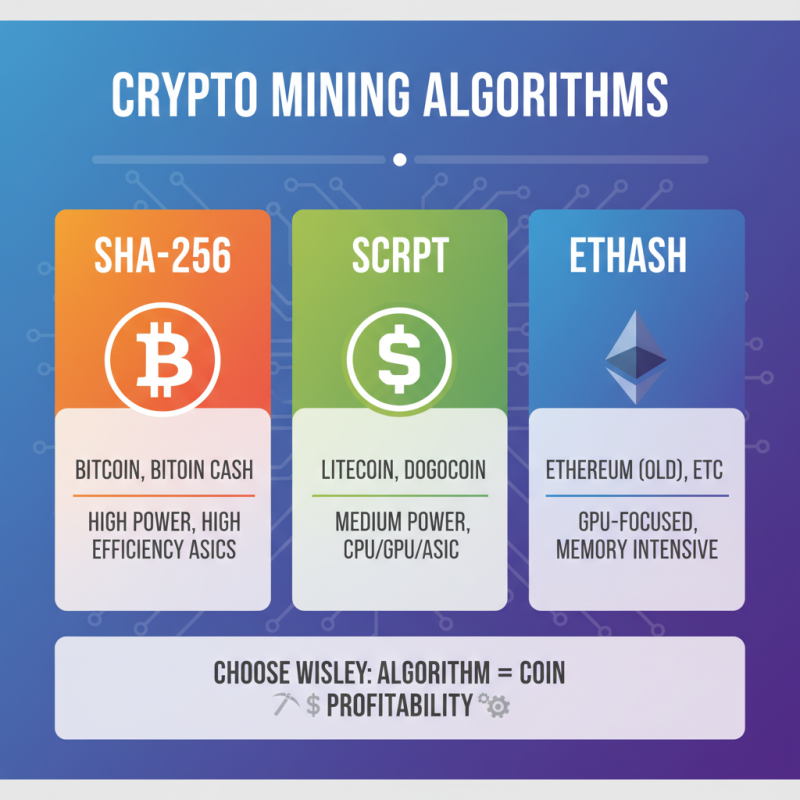
When selecting the ideal bit mining machine, it is crucial to understand the various mining algorithms and their impacts on efficiency and profitability. Mining algorithms, such as SHA-256, Scrypt, and Ethash, differ in how they process transactions and secure networks. For beginners, recognizing these differences can help in choosing a machine that aligns with their intended cryptocurrency focus. For instance, SHA-256 is primarily used for Bitcoin mining, while Scrypt and Ethash cater to other altcoins. Each algorithm has its own computational requirements and energy consumption levels, which can significantly affect the overall return on investment.
Moreover, the choice of mining algorithm can dictate the hardware specifications needed for optimal performance. New miners might find it beneficial to analyze the hash rates and decoding complexities of different algorithms to determine which machines best fit their needs. A machine designed for high-performance mining might cost more initially but could yield better long-term returns if positioned in the right ecosystem. Additionally, factors such as electricity costs and climate conditions can further influence the effectiveness of different mining setups, making it essential for beginners to consider these variables when making their choice.
Budgeting for Your First Bit Mining Machine: Initial and Ongoing Costs
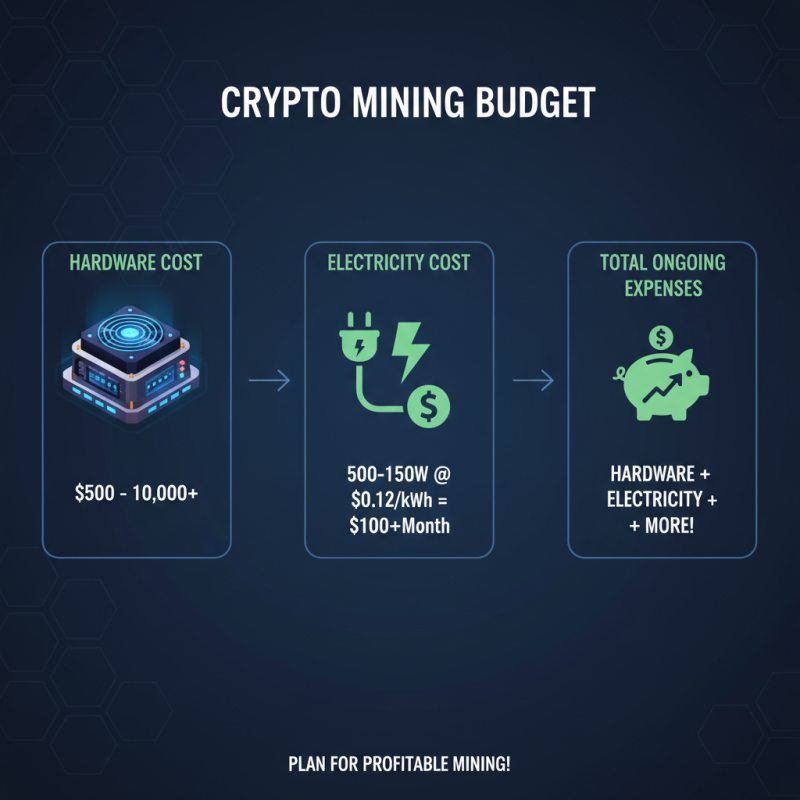
When embarking on the journey of cryptocurrency mining, particularly Bitcoin mining, budgeting is crucial to ensure a successful and sustainable operation. Initially, miners must consider the cost of purchasing mining hardware, which can range from a few hundred dollars for entry-level machines to several thousand for more advanced setups. According to a report by the Cambridge Centre for Alternative Finance, the average mining rig can consume between 500 to 1500 watts, resulting in significant electricity costs. For example, if electricity prices average $0.12 per kWh and a miner’s rig operates 24/7, monthly energy costs could exceed $100, adding considerable ongoing expenses to the initial hardware investment.
Moreover, it’s important to factor in other recurring costs such as cooling systems to manage heat generated by mining rigs, internet service fees, and potential maintenance expenses. A 2022 report highlighted that excessive heat can reduce hardware lifespan and efficiency, emphasizing the need for adequate cooling solutions ranging from simple fans to more advanced air conditioning systems. Depending on location and scale, these cumulative costs can significantly impact overall profitability. Hence, a thorough assessment of both initial investment and ongoing costs is essential for beginners as they strive to optimize their mining operations while staying within budget.