
Leave Your Message

7 Tips for Buying Safely in the Cryptocoin Market

Buying cryptocurrency can feel simple: tap “Buy,” watch a price move, and assume the hard part is over. It is not. The Cryptocoin Market includes legitimate platforms, volatile assets, and offers that deserve careful checking. The danger is not only a falling price. A fake exchange, weak account security, or rushed transfer can turn a small mistake into a lasting loss. A polished website proves little.

The FBI’s 2023 Internet Crime Report recorded $5.6 billion in losses connected to cryptocurrency-related complaints. Chainalysis’s 2024 Crypto Crime Report estimated that illicit addresses received at least $24.2 billion in 2023. That figure covers a broad range of illicit activity, not ordinary purchases alone. Still, the numbers underline why buyers should check platforms, fees, custody arrangements, and withdrawal rules before sending funds. Reports cannot predict what any individual buyer will experience. Even careful people can misjudge a coin; anyone claiming otherwise deserves skepticism.

Bitcoin educator and author Andreas M. Antonopoulos is widely associated with the warning, “Not your keys, not your bitcoin.” It is a useful reminder to understand who controls your assets and what happens if a platform fails. But self-custody also brings risks, including lost recovery phrases. There is no perfect shortcut. The seven tips ahead focus on practical checks: verify the seller, protect accounts, question pressure tactics, and begin with an amount you can afford to lose. One detail is easy to overlook: a test transaction may cost time or fees, but it can reveal a wrong address before a larger transfer. These steps reduce avoidable risks; they cannot make cryptocurrency safe or guarantee a profit.
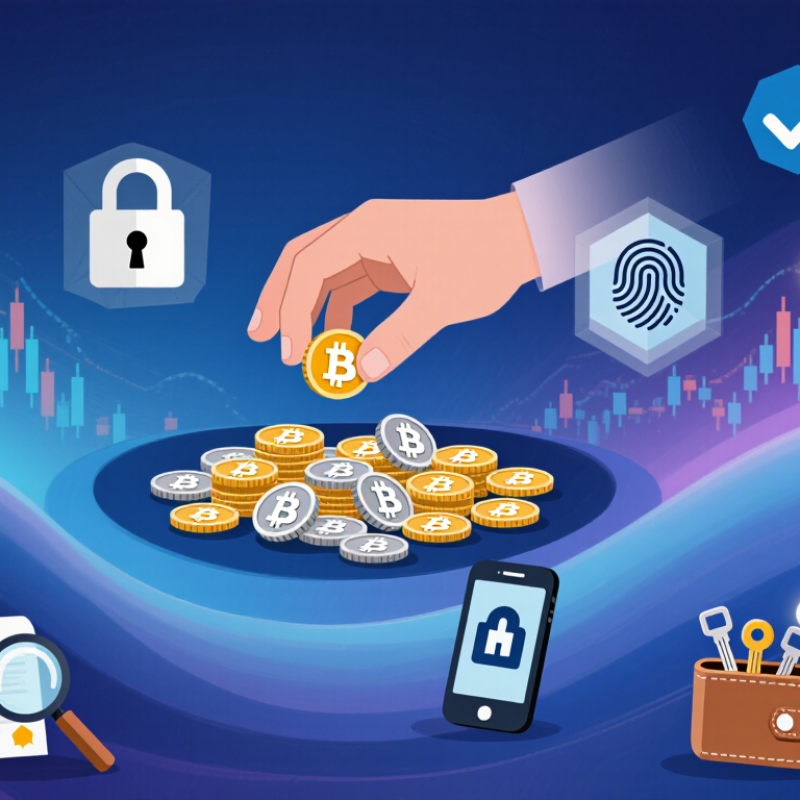
7 Tips for Buying Safely in the Cryptocoin Market

Understand Cryptocurrency Markets and the Risks of Buying

Cryptocurrency markets can move sharply within hours. A coin priced at breakfast may look very different by dinner. Prices reflect demand, liquidity, news, and broader market mood, not just a project’s promises. Thinly traded assets can be difficult to sell at the displayed price. A chart helps, but it cannot predict what comes next. Prices can reverse.

Tip: Check how buying and selling work before placing an order. Compare the quoted price with the final execution price, and learn whether your order is market or limit. Fees and spreads can quietly reduce what you receive. Read available project documents and examine how tokens are distributed. Polished materials, however, are not proof of quality.

Tip: Set a defined budget and decide what loss you can tolerate before buying. Use a unique password and available account security controls. Never rush because a message promises a sudden opportunity; pressure deserves caution. A steep dip can look like a bargain. It may keep falling. That possibility is easy to overlook when excitement takes over, so pause and question your assumptions.
Choose a Reputable Exchange and Secure Your Account

A reputable exchange should make its ownership, security practices, fees, and withdrawal rules easy to verify. Check whether it is authorized to serve customers in your region, and look for independent security assessments and clear procedures for handling outages. A large trading volume alone proves little. Neither does a polished app. Chainalysis’s 2024 Crypto Crime Report estimated that about $1.7 billion in cryptocurrency was stolen in 2023, underscoring why platform security deserves close attention. Proof-of-reserves can offer useful information, but it may not show every liability. Read the limits, not just the headline.

Secure your account before depositing money. Use a unique password stored in a password manager, then enable an authenticator app or passkey when available. Add a withdrawal allowlist, and turn on login and withdrawal alerts. Small steps matter. Never share a one-time code, even with someone claiming to be support. Check the web address yourself instead of following a link in a message. A tiny typo can lead to a convincing fake page.

Before making a large deposit, test the withdrawal process with a small amount. Confirm the address and network carefully; crypto transfers are often difficult or impossible to reverse. Keep long-term holdings in a wallet you control if you understand the added responsibility. I would not treat any single security badge as a guarantee. That judgment can be inconvenient, but caution beats confidence built on a logo.

Research Coins and Verify Their Legitimacy

Before buying a coin, read its white paper, but treat polished writing as a starting point, not proof. Look for a clear explanation of the project’s purpose, how its network works, and who maintains the public code. Check whether the claims match what you can verify. If a document promises steady returns or uses vague technical language, pause. I have learned that a confident website can still leave basic questions unanswered.

Check the coin’s contract address against the project’s official documentation, and review its transaction history using a public blockchain explorer. A tiny test transfer can help confirm you are interacting with the intended asset, though it cannot prove the project is sound. Search for independent security reviews and inspect who conducted them, what they covered, and when. Old reviews may miss recent changes. Also look for clear disclosures about token supply, insider allocations, and administrative controls. Who can change the rules? If the answer is hard to find, that matters. I would not rely on social media excitement or a single reviewer; both can be mistaken. Save the links and notes you used, then revisit them before making a decision. The research may still leave uncertainty. That is worth admitting.

Set a Budget and Plan Your Purchase Carefully

Set a fixed amount before opening a trading app. Treat it as money you could lose without delaying rent, bills, debt payments, or emergency savings. That boundary matters. A budget written on paper can feel different from a flashing price on a screen, so decide the limit while you are calm. Keep it boring.

Plan the purchase in practical terms. Choose a maximum amount, a schedule, and a point at which you will pause and reassess. Buying smaller portions over time may reduce the pressure to guess the perfect moment, though it cannot prevent losses. Check transaction fees and the final amount before confirming; a small fee can matter when purchases are frequent. Use a secure device, protect account access, and save clear records of each transaction. I still find that a plan can look neat until prices move sharply. That is a reason to review it, not to keep adding money impulsively. If you cannot explain your spending limit in one sentence, make the plan simpler.

Protect Your Holdings and Monitor Transactions

Treat every purchase as a security decision, not just a price check. Use a separate wallet for long-term holdings, and keep only routine spending funds in a more accessible one. Write the recovery phrase on paper and store it somewhere private and dry. Never keep it in a screenshot or cloud note. A locked drawer helps. Not foolproof.

Before confirming a transaction, check the asset, network, destination address, and amount. A familiar screen can still show the wrong network. Copying a long address feels routine, yet a single mismatch can make recovery difficult. Pause. Check again. Send a small test amount when practical, then wait for confirmation before moving more. A rushed second glance is not really a check. It is easy to underestimate how quickly routine clicks become habits.

Enable sign-in and transaction alerts, then review account activity regularly. Compare each entry with your own notes, including the amount, time, and transaction identifier. If an unfamiliar transfer appears, stop using the account and verify access from a trusted device. Do not share recovery details with anyone claiming to investigate. Keep dated records, but leave secret credentials out of them.