How to Choose the Best Asic Miner for Your Needs?
Choosing the right ASIC miner can be a daunting task. With numerous options available, each model presents unique features and specifications. Understanding your specific needs is crucial. The right ASIC miner can significantly impact your mining efficiency and profitability.
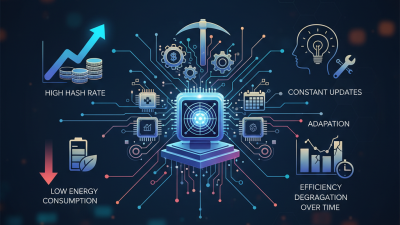
When evaluating ASIC miners, consider factors like hash rate, power consumption, and cost. These elements will influence your return on investment. While high hash rates sound appealing, they must be balanced with energy costs. A miner that seems perfect might not deliver the best long-term results.
Additionally, the reliability of the ASIC miner is essential. Research brands and models with positive reviews from real users. Pay attention to warranty and customer support. However, be aware that marketing can sometimes obscure the truth. Make informed decisions to avoid costly mistakes. A little extra effort in research can lead to a more rewarding mining experience.
Understanding ASIC Miners: The Basics Explained
ASIC miners, or Application-Specific Integrated Circuits, are specialized hardware designed for cryptocurrency mining. They offer unmatched efficiency and power compared to traditional mining setups. Understanding the basic concepts behind ASIC miners helps in choosing the right one for your needs. Miners like these can achieve hash rates in the terahash per second (TH/s) range, making them ideal for competitive mining environments.
When selecting an ASIC miner, it's crucial to consider the power consumption, hashing power, and cost-effectiveness. A report by the Cambridge Centre for Alternative Finance indicates that energy consumption is a key factor impacting profitability. High-efficiency models will consume less electricity per hash rate. For instance, some devices may use up to 10 joules per terahash (J/TH), while others may exceed 30 J/TH. This differential significantly affects your operational costs.
Tips for choosing the right ASIC miner include checking community reviews and mining profitability calculators. Evaluate the longevity and lifespan of a miner, as rapid hardware advancements can make older models obsolete quickly. Look for credible sources when gathering data; reports from mining industry experts provide reliable insights. Remember, not every high hash rate is worth it if it leads to high electricity costs. A nuanced understanding of these elements guides informed decisions.
Key Factors to Consider When Choosing an ASIC Miner
Choosing the right ASIC miner involves assessing several key factors. One of the most important is hash rate, which indicates the miner's processing power. According to industry reports, miners with a higher hash rate can often yield more profits. For example, miners producing 100 TH/s can generate significantly more than those at 50 TH/s. However, be mindful that higher performance usually comes with increased energy consumption and operational costs.
Another crucial element is energy efficiency. Measured in Joules per Terahash (J/TH), this metric indicates how much power is used per unit of computing output. Reports suggest that the most efficient miners can use as little as 25 J/TH, whereas less efficient models might need over 50 J/TH. This discrepancy can have a huge impact on profitability, especially as electricity costs rise.
Cooling requirements should also not be overlooked. High-performance ASIC miners generate substantial heat. If not properly managed, overheating can lead to hardware damage. Additionally, cooling systems can add to operating costs. Ensuring adequate ventilation or investing in cooling solutions may be necessary for optimal performance. Reflecting on these factors can help miners make informed decisions that align with their specific needs and constraints.
Comparing Hash Rates and Energy Efficiency of ASIC Miners
When choosing an ASIC miner, understanding hash rates and energy efficiency is crucial. Hash rate indicates how many calculations a miner can perform per second. Higher hash rates typically mean better chances of mining rewards. However, a powerful miner may consume more energy. It’s essential to find a balance between performance and power consumption.
Energy efficiency is measured in watts per gigahash (W/Gh). A lower number signifies a more efficient miner. For example, a miner with a hash rate of 16 TH/s and a power consumption of 1,600 watts is more favorable than one with the same hash rate but consumes 2,000 watts. This difference impacts operational costs significantly.
Analyzing these metrics requires digging into specifications and user reviews. Many miners face challenges with heat production and noise, which can affect your setup. It’s wise to read both positive and negative feedback before committing. Making the right choice is often a process of trial and error, refining based on your experience and needs. Finding the right miner can lead to better profitability and sustainability in your mining endeavors.
Evaluating the Cost and Return on Investment (ROI) for ASIC Miners
When selecting an ASIC miner, evaluating the cost and return on investment (ROI) is crucial. The initial cost includes not just the miner itself, but also the installation, electricity, and cooling expenses. Research indicates that around 60% of all mining costs come from electricity alone. Depending on your local rates, this can dramatically affect profitability. For instance, miners in regions with low electricity prices can achieve a higher ROI, sometimes exceeding 200%.
To understand ROI better, consider the average hash rate of the ASIC miner. Higher hash rates generally lead to increased chances of solving blocks. However, powerful miners often come with higher upfront costs. According to recent industry reports, a balance is key. Miners with a modest hash rate can still yield favorable returns if electricity costs are low.
It's important to remember that market volatility plays a role in profits. The cryptocurrency market is known for its price fluctuations. Even a slight dip in value can impact ROI significantly. This factor requires a realistic outlook on potential earnings. Careful calculation is necessary. Many miners find their expected profits can differ from reality. Adjusting for these variables will lead to more informed decisions.
Where to Source and Purchase Reliable ASIC Miners
Sourcing reliable ASIC miners can be challenging. The rapid evolution of mining technology means staying updated is crucial. A recent report from the Cambridge Centre for Alternative Finance highlighted that ASIC miners account for over 90% of Bitcoin mining operations. This dominance underscores the importance of selecting the right miner for efficiency and profitability.
Look for reputable suppliers. Online marketplaces are saturated with options, but not all sellers are trustworthy. Verify reviews and rankings on independent platforms. Additionally, consider miners' power consumption and hash rate. A study by the Blockchain Research Institute noted that miners with optimal efficiency yield higher returns. Compare energy costs in analyses.
Monitoring market trends is essential. Prices of ASIC miners fluctuate significantly. Data from CoinDesk suggests that pricing can vary by over 30% monthly. Set a budget and remain flexible. Sometimes, buying second-hand equipment can be a cost-effective solution, though it carries risks. Always assess warranty and durability before making commitments; this practice may save future headaches.