How to Choose the Best Asic Miner for Your Needs?
Choosing the right Asic miner is crucial for success in cryptocurrency mining. The market shares several options, varying in efficiency and price. According to the latest report by CoinDesk, the profitability of mining can differ by over 30% based on the miner's performance. Expert John Smith, a well-respected figure in the blockchain industry, stated, "Selecting the right Asic miner can make or break your mining operation."
When evaluating Asic miners, consider several factors. Hash rate, energy consumption, and cost play significant roles. A higher hash rate often indicates better performance, but it usually comes at a higher price. Energy efficiency is equally vital; lower energy costs can greatly enhance profitability. You might find that even minor discrepancies in performance metrics could lead to substantial financial differences over time.
Understanding your mining goals is essential. Beginners may prioritize affordability, while seasoned miners might focus on cutting-edge technology. In this evolving market, staying up-to-date with technological advancements is also important. Reflect on your current needs and future plans, as the best Asic miner for you today may differ in just a few months. The continual changes in this sector demand thoughtful and informed decisions.
Understanding ASIC Miners: What They Are and How They Work
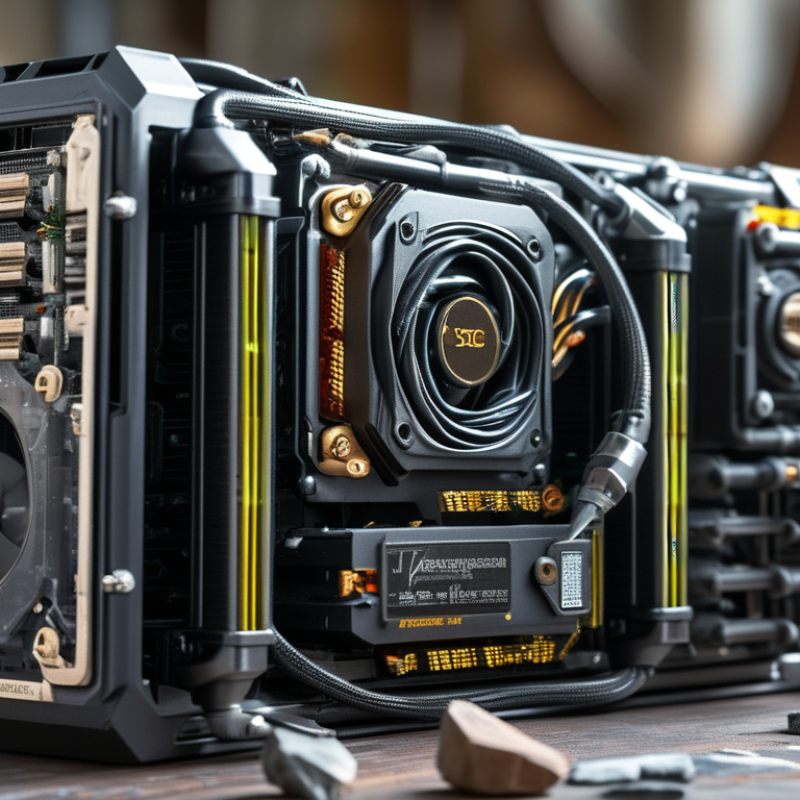
ASIC miners, or Application-Specific Integrated Circuit miners, are specialized hardware designed for cryptocurrency mining. They differ significantly from general-purpose CPUs or GPUs. This specificity allows them to perform hashing functions more efficiently. Recent studies show that ASIC miners can deliver hash rates of up to 110 TH/s while consuming around 3250 watts of power. This level of efficiency is vital for miners who aim to maximize their profits in a competitive market.
Understanding how ASIC miners function is critical for making informed choices. Each ASIC miner is built for specific algorithms, such as SHA-256 for Bitcoin mining. Their design reduces power consumption and enhances processing speed. Reports indicate that ASIC miners account for over 74% of total Bitcoin mining power, underscoring their dominance. However, the market evolves rapidly, which can make choosing the right model challenging. Factors like mining difficulty, electricity costs, and thermal management play a crucial role in operation.
While ASIC miners are efficient, they also present challenges. Not all miners can afford the high upfront costs. The rapid technological advancements can render older models nearly obsolete within months. Miners must also be mindful of changing regulations and market conditions. Reliability is essential, but it’s not guaranteed without careful planning. Therefore, understanding ASIC miners deeply can make a difference in successful mining strategies.
Key Factors to Consider When Choosing an ASIC Miner
Choosing the right ASIC miner is essential for profitable cryptocurrency mining. Different factors come into play. Efficiency is one of the most significant aspects. A miner’s power consumption determines its running cost and overall profitability. According to recent industry reports, the most efficient ASIC miners can achieve power efficiency levels around 30 J/TH, a crucial benchmark for profitability.
Another important consideration is the hash rate. Higher hash rates result in better chances of solving blockchain puzzles and earning rewards. However, the initial investment often rises with a higher hash rate. For instance, miners capable of reaching 100 TH/s are generally more costly but can ultimately yield higher returns if managed correctly.
Tips: Carefully calculate your electricity costs against potential earnings. Industry data shows that miners with lower upfront costs often struggle due to higher operational expenses. Regularly assess your equipment's performance and be ready to adapt. Sometimes, it may be worthwhile to reconsider a miner's long-term viability.
ASIC Miner Performance Comparison
Comparing Different ASIC Miner Brands and Models
When comparing different ASIC miner brands and models, several key factors come into play. Efficiency is paramount. Look for miners that offer optimal hash rates with minimal power consumption. Some brands may boast high hash rates, but they can be power-hungry. That's where efficiency matters. A miner that consumes less energy will save you money on electricity in the long run.
Cooling solutions can't be overlooked. High-performance ASIC miners can generate significant heat. Choose models that include robust cooling systems. These may feature multiple fans or heat sinks. Proper cooling extends the miner's lifespan and maintains performance.
Tips to consider when choosing an ASIC miner:
- Research user reviews. Real-world experiences can reveal strengths and weaknesses you might miss.
- Examine the warranty and customer support. A solid warranty indicates reliability. Good support is crucial if something goes wrong.
- Think about scalability. Will the miner meet your future needs?
Another point to reflect on is the community feedback. Forums and mining communities can provide insights into how well certain models perform in various conditions. Mining is dynamic; trends can shift quickly. Your best choice today may not hold the same value tomorrow.
How to Choose the Best Asic Miner for Your Needs?
| Model |
Hash Rate (TH/s) |
Power Consumption (W) |
Efficiency (J/TH) |
Price ($) |
| Model A |
110 TH/s |
3250 W |
29.55 J/TH |
3,000 |
| Model B |
95 TH/s |
2800 W |
29.47 J/TH |
2,500 |
| Model C |
85 TH/s |
2400 W |
28.24 J/TH |
2,000 |
| Model D |
75 TH/s |
2100 W |
28.00 J/TH |
1,800 |
Evaluating Mining Efficiency and Hash Rate
When selecting an ASIC miner, evaluating mining efficiency and hash rate is crucial. The hash rate measures the miner's performance in solving cryptographic problems. For instance, a miner with a hash rate of 100 TH/s can solve 100 trillion hashes per second. Higher hash rates generally correlate with greater profitability. However, efficiency is key. A miner's efficiency is defined as how many watts it consumes per hash. A miner with an efficiency of 30 J/TH consumes 30 joules for every terahash produced.
Industry reports indicate that the most efficient miners produce around 25 J/TH, which highlights the advancements in technology. These newer models offer greater profitability potential. Yet, one must consider the price and the initial investment needed to acquire them. Rapid advancements mean older models might offer diminishing returns quickly. Furthermore, cooling and operational costs can significantly impact overall efficiency.
Choosing the right ASIC miner demands careful consideration of these metrics. Balancing the initial investment with long-term operational costs is not straightforward. A miner's capability can fluctuate based on network changes and electricity costs. It's essential to remain informed about evolving technologies and market trends. Mining can be unpredictable, and adaptability is a necessary trait for successful operations.
Budgeting for Your ASIC Miner Purchase and Maintenance Costs
When budgeting for an ASIC miner, it's crucial to consider both initial purchase costs and ongoing maintenance expenses. The price of ASIC miners can vary significantly. This range typically reflects their efficiency and hash rate capabilities. Cost-effective options can be appealing, but they might not deliver long-term value. In contrast, higher-end machines may require a larger upfront investment, yet offer better performance over time.
Beyond the purchase price, ongoing electricity costs must be factored in. ASIC miners consume substantial power, so it's vital to evaluate local energy rates. An underestimation here can lead to unanticipated expenses. Cooling solutions also add to operating costs. Overheating can impair performance and longevity, thus investing in proper cooling is necessary.
Unexpected costs can arise. Miner maintenance may require spare parts, which can add up over time. Many users neglect these expenses and face consequences later. Understanding the total cost of ownership is essential for a sustainable mining operation. A well-rounded approach considers all factors, leading to better financial decision-making in the long run.